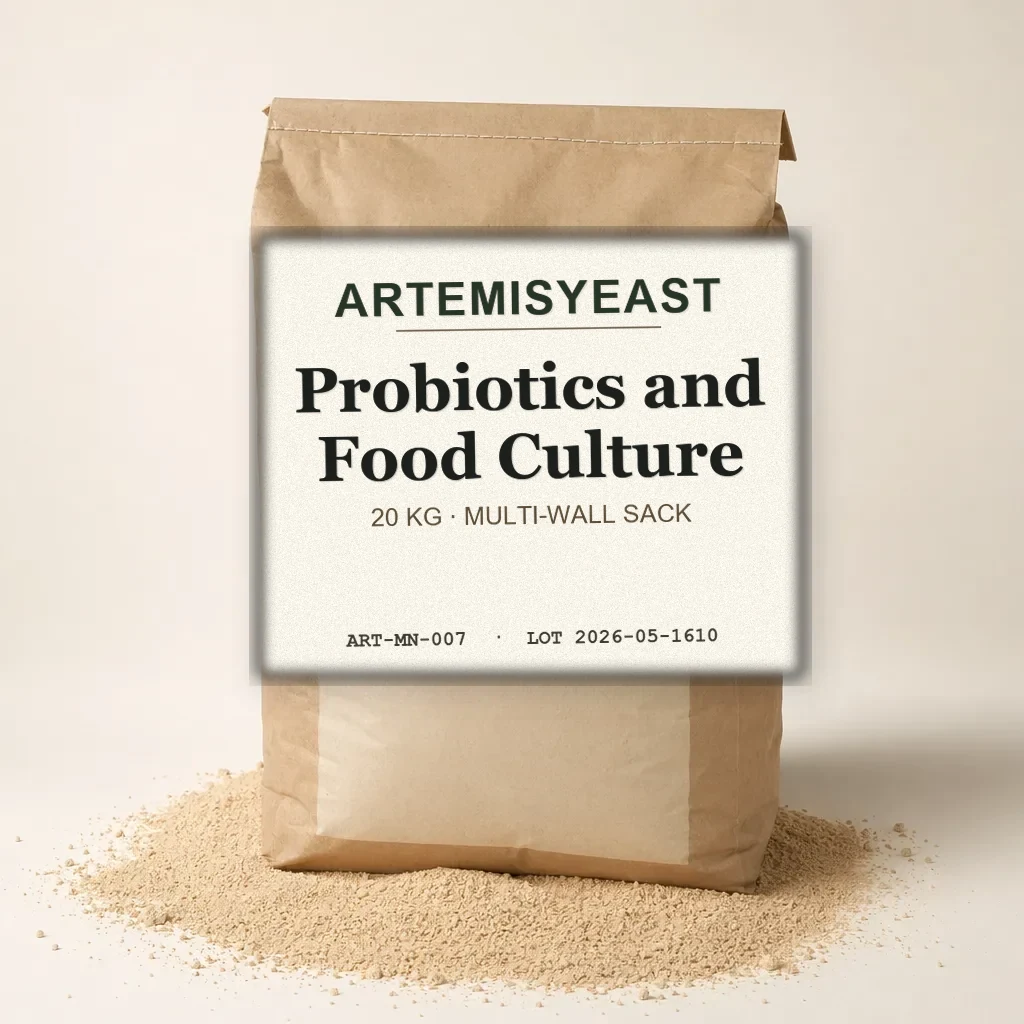
Probiotics and Food Culture for Biopharma Cell Culture
Probiotics and Food Culture for Cell Culture is a food-grade microbial culture and nutrient input supplied for controlled industrial fermentation and biopharma upstream development. ArtemisYeast supplies ART-MN-025 for procurement teams, formulation scientists, and fermentation groups that require defined culture inputs with lot documentation, export packing, and wholesale pricing on request. The product is offered as a specification-matched matrix, with viable count, carrier system, particle size, and moisture targets aligned to the buyer’s process and documentation requirements.
- ✓ Free worldwide shipping
- ✓ ISO-aligned manufacturing
- ✓ Certificate of Analysis on request
- ✓ Bulk & custom volumes quoted on request
Overview
ART-MN-025 is an inquiry-based microbial nutrition and food culture product for upstream bioprocess work, process-development screening, and industrial fermentation support. Depending on the required application, the matrix may be supplied as a dried live culture blend, food culture preparation, or culture-plus-carrier format using yeast-derived nutrients, maltodextrin, or other approved processing aids. Typical specification targets can include viable count at release from 1.0×10^10 to 1.0×10^11 CFU/g for live-culture formats, moisture not more than 8.0%, water activity controlled for dry stability, and 40–80 mesh powder unless a different dispersion profile is specified.
The product is intended for controlled manufacturing environments where batch traceability, input consistency, and practical handling matter. It is not represented as sterile by default; low-bioburden, gamma-treated, or heat-inactivated options can be discussed when technically appropriate. Buyers comparing inputs within microbial nutrition and fermentation can use ART-MN-025 as a configurable culture ingredient for media development, seed-train support studies, and defined fermentation workflows.
Applications
- Biopharma upstream process development: culture input for non-sterile R&D screening, media optimization studies, and fermentation support where a documented microbial culture or food-culture fraction is required.
- Industrial fermentation: nutrient contribution from yeast-derived solids, peptides, amino nitrogen, B vitamins, nucleotides, and minerals, subject to the selected matrix and specification.
- Food culture manufacturing: starter-culture support, blend standardization, and dry premix inclusion where lot-to-lot viable count and moisture control are procurement priorities.
- Contract manufacturing and pilot plants: 20 kg multi-wall sack format for scale-up trials, recurring batch production, and export shipment consolidation.
- R&D formulation teams: customizable particle size, carrier selection, live or inactivated format, and CoA parameters to match experimental design. For project review, submit process targets through request a quote.
Storage and Handling
Store ART-MN-025 in the original sealed 20 kg multi-wall sack in a clean, dry, odor-free warehouse. Recommended storage is below 25°C with relative humidity below 60%; refrigerated storage at 2–8°C may be recommended for high-viability live-culture specifications or long export lanes. Avoid direct sunlight, condensation, open-bag exposure, and repeated temperature cycling.
Typical shelf life is 12–24 months from manufacture depending on culture format, target CFU/g, packaging, and storage conditions. After opening, reseal immediately or transfer to an approved closed container. Use normal dry-powder handling controls, including dust minimization, local extraction where required, and segregation from strong oxidizers, high-moisture ingredients, or aromatic materials.
Quality and Documentation
ArtemisYeast supplies ART-MN-025 with lot traceability and specification review before order confirmation. A typical CoA may report appearance, odor, moisture, viable count where applicable, particle size, microbiological limits, heavy metals, and country-of-origin details. Additional parameters such as protein, ash, amino nitrogen, beta-glucan, or carrier declaration can be quoted when needed for technical approval.
Manufacturing documentation is available on request and may include HACCP-aligned process statements, allergen declaration, non-GMO statement where applicable, food-grade declaration, SDS, and available food-safety certification records such as ISO 22000, FSSC 22000, Halal, or Kosher subject to source and production site. Procurement teams can review documentation pathways through quality and documentation before placing a bulk inquiry.
About this product
What is the typical shelf life?
Do you offer documentation (CoA, food-grade declaration)?
What is the minimum order quantity?
Is bulk pricing available?
How is this product shipped internationally?
More from Microbial Nutrition & Fermentation
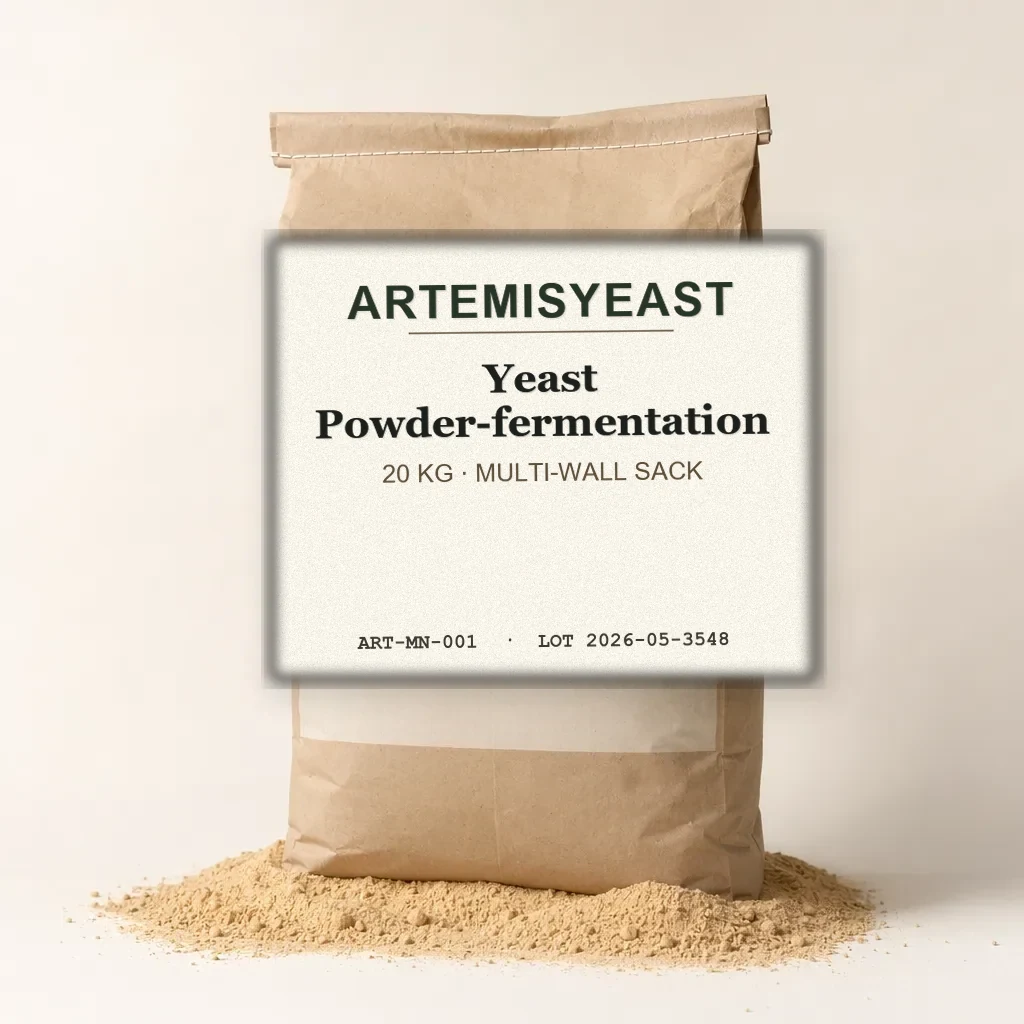
Yeast Powder for Industrial Fermentation Nutrition
Microbial nutrition input — yeast powder-fermentation for industrial fermentation, cell culture, and biopharma upstream.
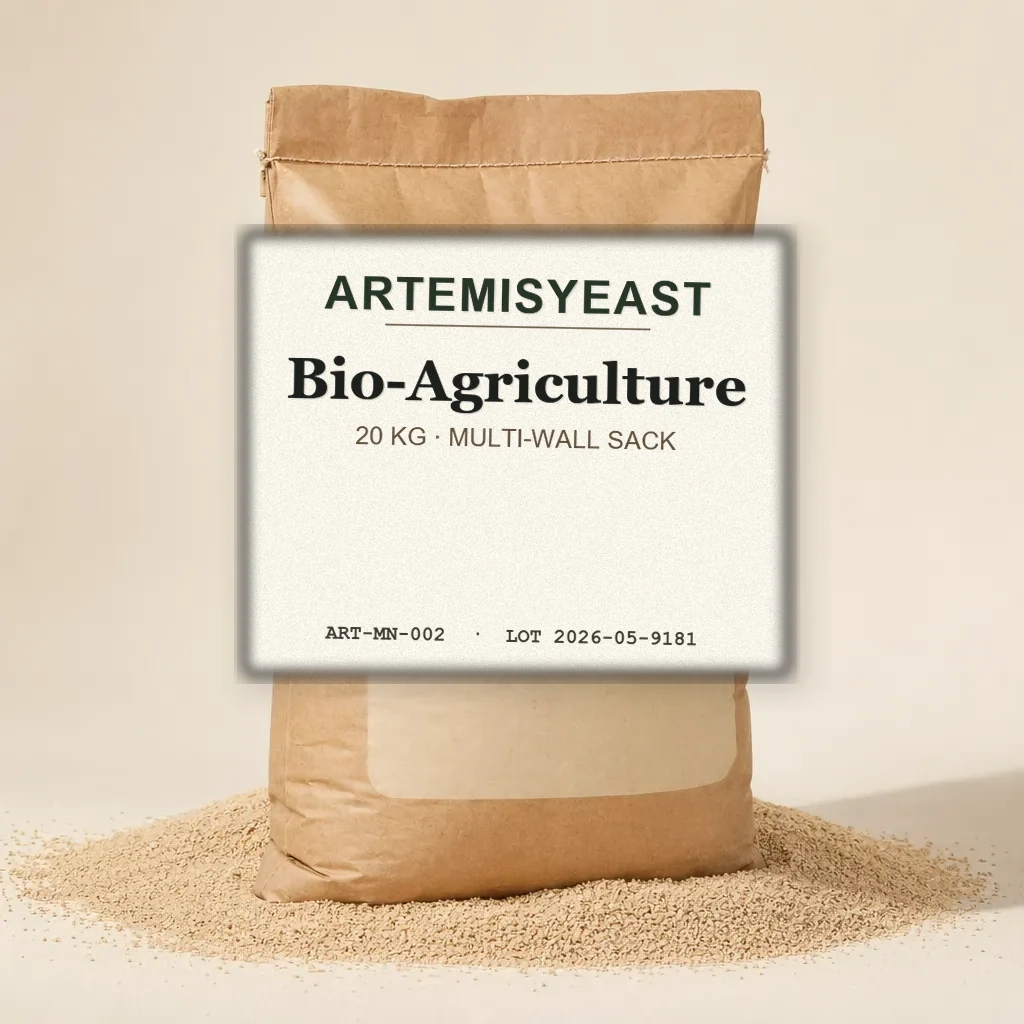
Bio-Agriculture Microbial Nutrition Input, 20 kg Sack
Microbial nutrition input — bio-agriculture for industrial fermentation, cell culture, and biopharma upstream.
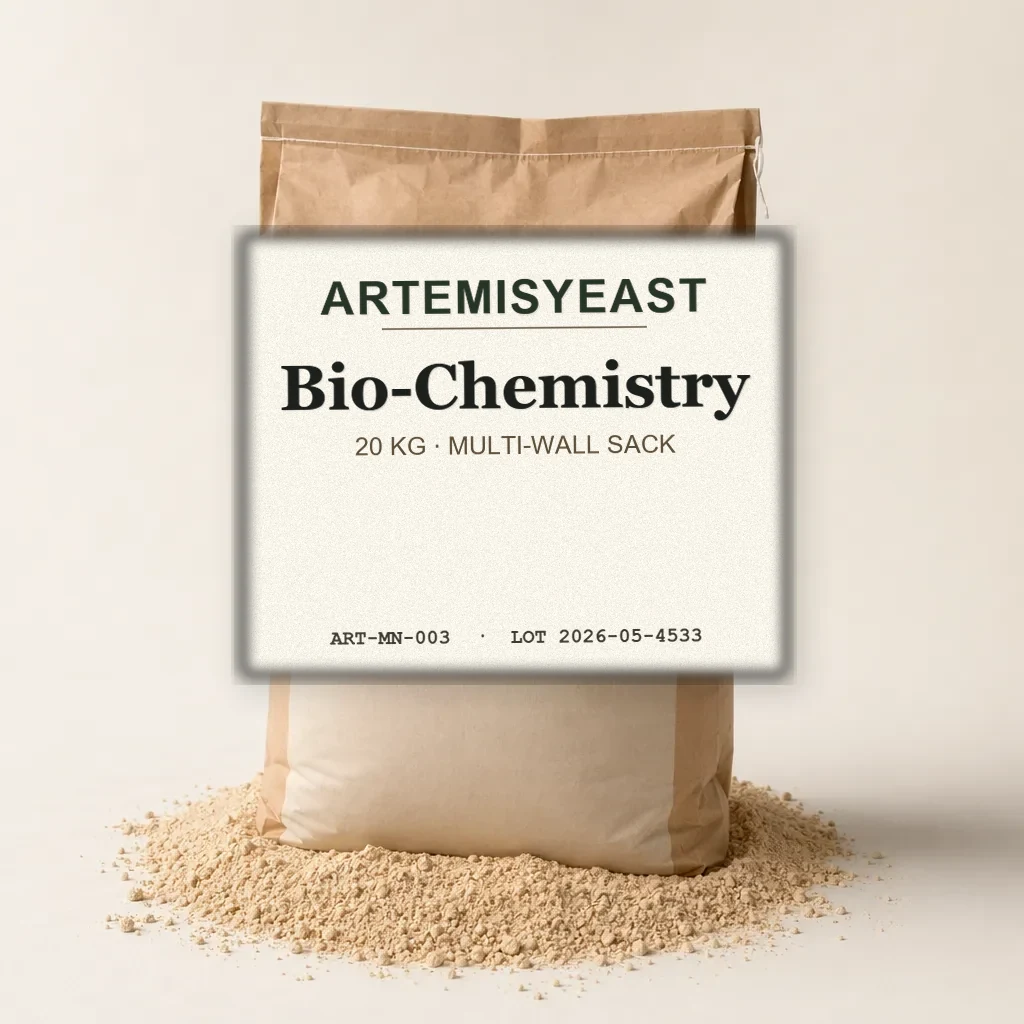
Bio-Chemistry Fermentation Nutrient Blend ART-MN-003
Microbial nutrition input — bio-chemistry for industrial fermentation, cell culture, and biopharma upstream.
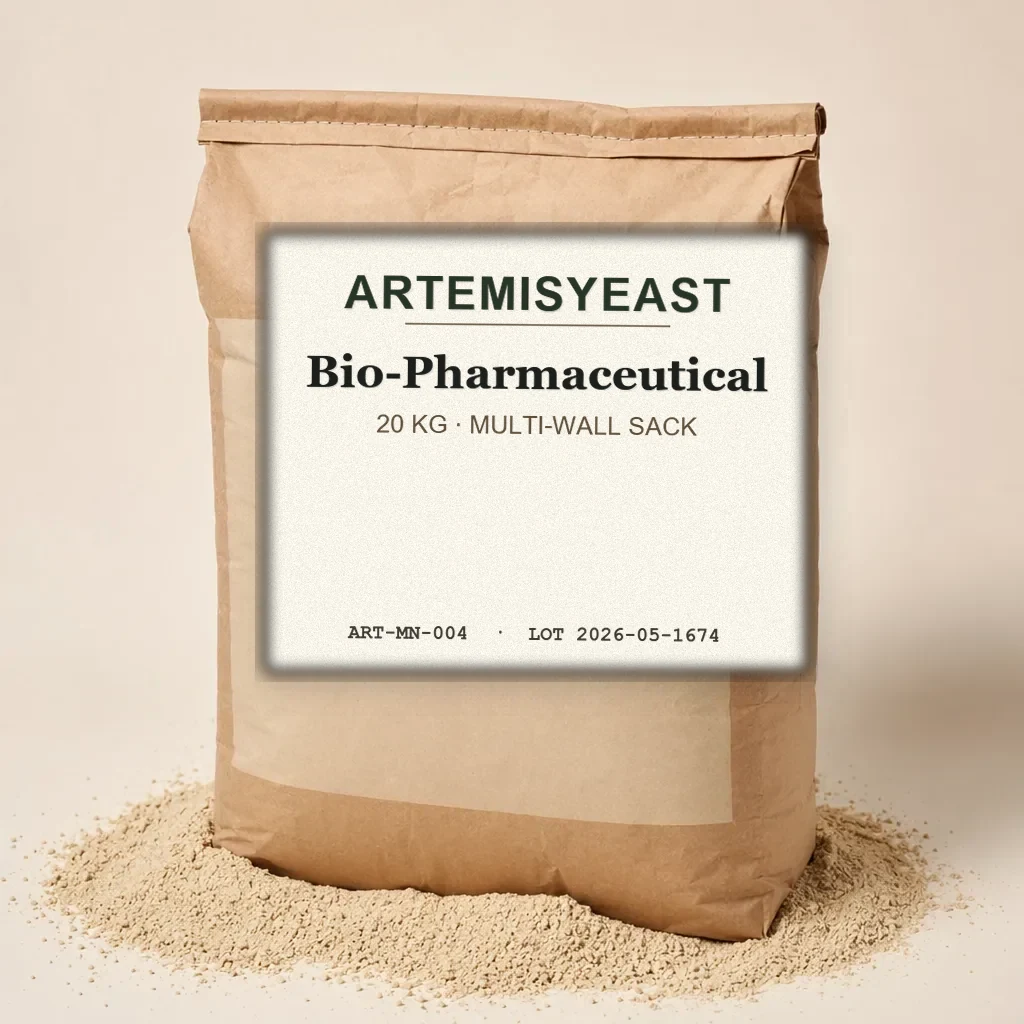
Bio-Pharmaceutical Microbial Nutrition Input, 20 kg
Microbial nutrition input — bio-pharmaceutical for industrial fermentation, cell culture, and biopharma upstream.