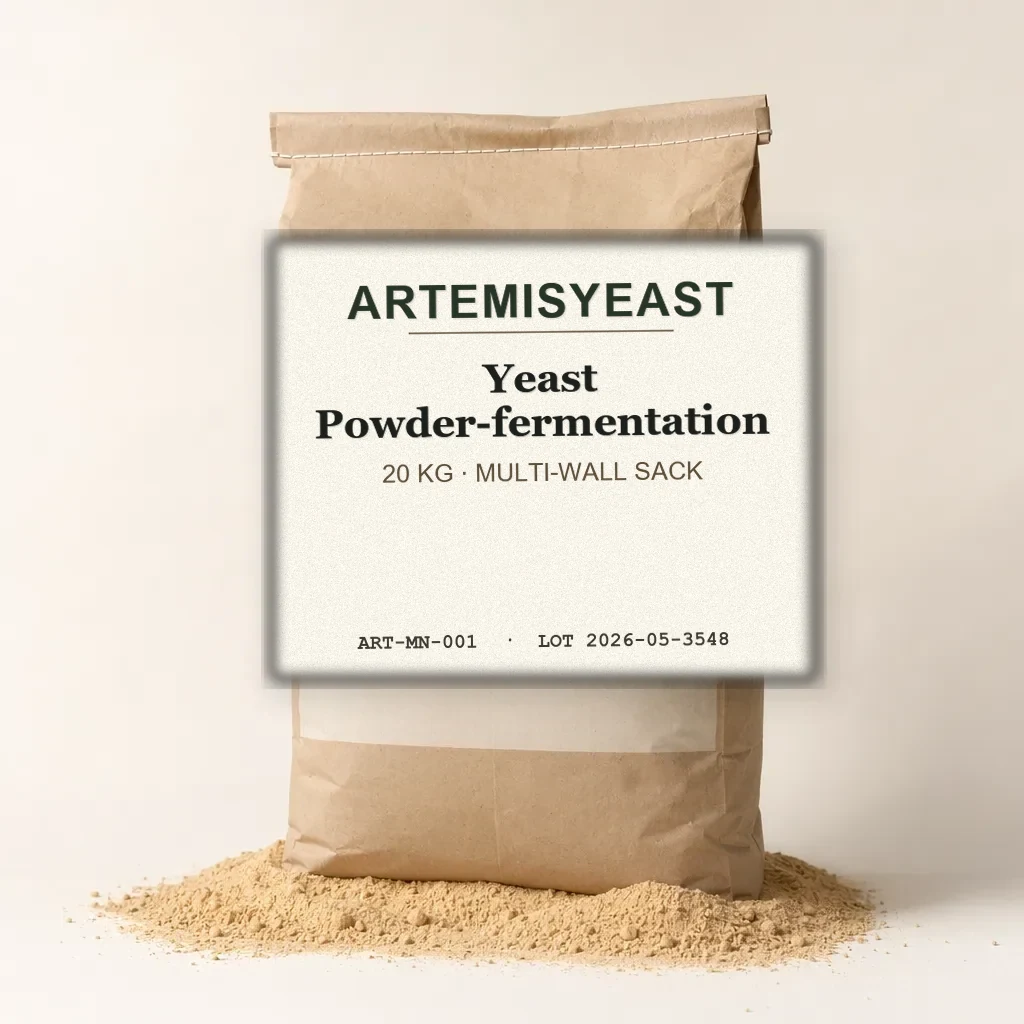
Yeast Powder for Fermentation
Yeast powder for fermentation is an inactive yeast-derived nutrient used to supply nitrogen, peptides, vitamins, and growth factors to industrial microorganisms. ART-MN-001 is specified for microbial fermentation, bioprocess development, and upstream cell culture support where a consistent, food-grade or technical-grade nutrient input is required. Supplied in 20 kg multi-wall sacks, it is available for international wholesale supply with bulk quote on request and documentation matched to the intended application.
- ✓ Free worldwide shipping
- ✓ ISO-aligned manufacturing
- ✓ Certificate of Analysis on request
- ✓ Bulk & custom volumes quoted on request
Overview
ART-MN-001 yeast powder-fermentation is a dry, free-flowing microbial nutrition ingredient produced from yeast biomass and processed to improve dispersion in aqueous media. It is intended as a source of organic nitrogen, peptides, amino acids, nucleotides, B-complex nutritional factors, minerals, and yeast-derived growth components for fermentation media formulation. Typical specification targets may include protein 45–55%, moisture not more than 7%, ash not more than 12%, total nitrogen 7–9%, pH 5.0–7.0 in a 2% solution, and 80 mesh pass rate of at least 90%, subject to production lot and grade confirmation.
This product is used by fermentation plants and R&D teams that need a cost-controlled nutrient base for bacteria, yeast, fungi, and selected cell culture feed strategies. It can be evaluated as a partial replacement or complement to peptone, yeast extract, corn steep liquor, or other complex nitrogen sources, depending on strain response and regulatory requirements. For related nutrient inputs, see microbial nutrition and fermentation ingredients. Wholesale pricing on request is available for pilot, scale-up, and container-level procurement.
Applications
- Industrial microbial fermentation: nitrogen and growth-factor input for organic acids, amino acids, enzymes, probiotics, yeast propagation, bio-based chemicals, and starter culture production.
- Bioprocess upstream development: complex nutrient component for screening, optimization, and scale-up where non-animal origin yeast-derived nutrition is preferred and validated by the user.
- Cell culture media support: suitable for feasibility evaluation in non-sterile bulk ingredient workflows or further processed media systems; sterility, endotoxin, and low-bioburden requirements should be specified at inquiry stage.
- Fermentation process economics: can help standardize nutrient input cost, improve medium solids consistency, and support predictable feeding strategies when lot-to-lot controls are agreed.
- Custom sourcing programs: ArtemisYeast can align particle size, documentation scope, packaging, and shipment planning for recurring contract demand. Submit expected annual volume through request a bulk quote.
Storage and Handling
Store unopened 20 kg multi-wall sacks in a cool, dry, well-ventilated warehouse, ideally below 25°C and below 65% relative humidity. Keep away from direct sunlight, standing water, strong odors, oxidizing chemicals, and pest exposure. Under recommended storage conditions, typical shelf life is 24 months from manufacture; the confirmed retest or expiry date is shown on the lot certificate or packaging label.
After opening, reseal the sack or transfer contents to a clean, dry, lidded container. Use first-in, first-out inventory control and avoid repeated exposure to humid air, which can cause caking and reduced flow. For media preparation, add gradually under agitation to minimize lumping, then adjust pH, heat treatment, filtration, or sterilization according to the customer’s validated process. As with any complex nutrient, small-scale strain response testing is recommended before plant-scale substitution.
Quality and Documentation
Each supply lot can be supported with a certificate of analysis confirming agreed parameters such as appearance, odor, moisture, protein or nitrogen, ash, pH, particle size, and microbiological indicators where applicable. Additional documents may include technical data sheet, safety data sheet, allergen statement, non-animal origin statement, country-of-origin declaration, and food-grade declaration, depending on the final grade and destination market.
Manufacturing and supplier controls are reviewed against HACCP-aligned and food-safety management expectations. ISO 22000, FSSC 22000, Halal, or Kosher documentation may be available on request for qualifying lots and must be confirmed before order placement. ArtemisYeast supports procurement teams with specification review, sample coordination, and export documentation through its quality documentation process. This ingredient is sold for industrial, food, feed, or research manufacturing evaluation as specified by the buyer, not as a finished consumer product.
About this product
What is the typical shelf life?
Do you offer documentation (CoA, food-grade declaration)?
What is the minimum order quantity?
Is bulk pricing available?
How is this product shipped internationally?
More from Microbial Nutrition & Fermentation
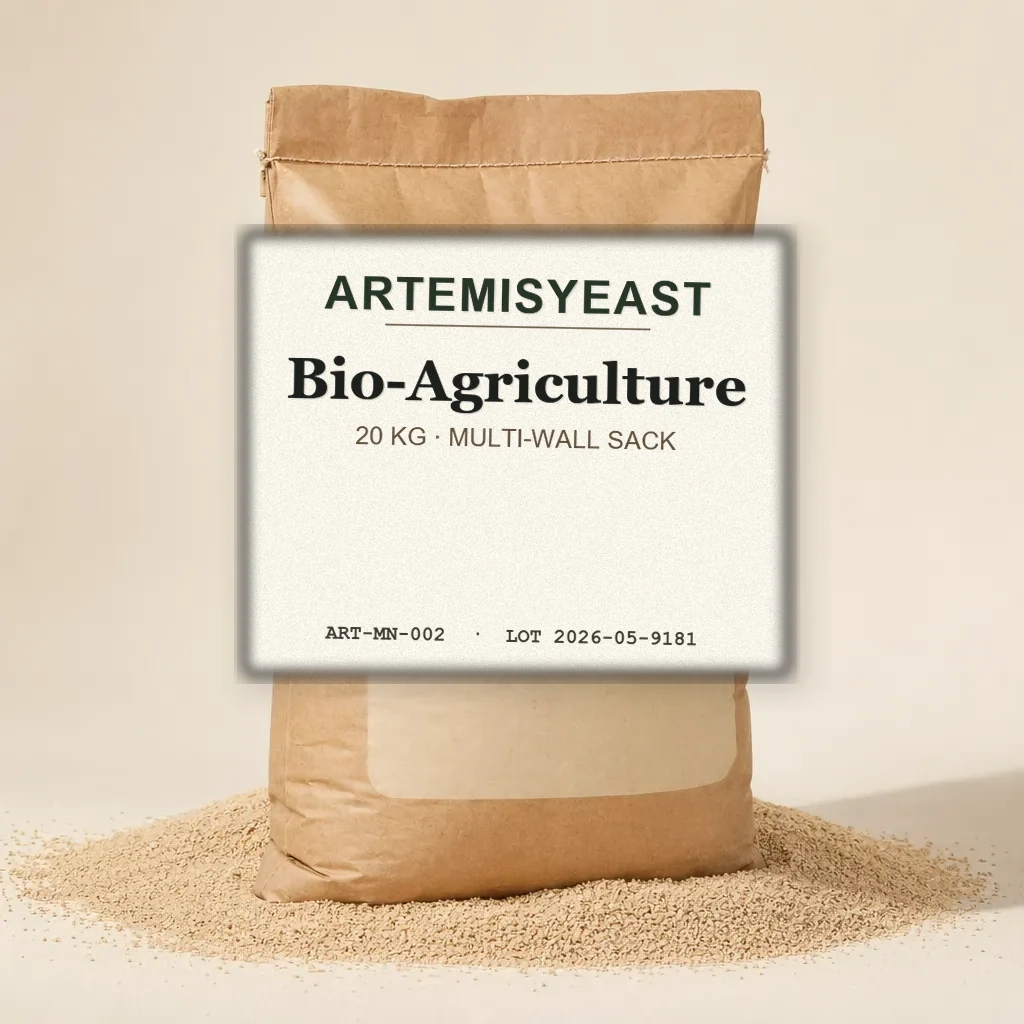
Bio-Agriculture Microbial Nutrition Input, 20 kg Sack
Microbial nutrition input — bio-agriculture for industrial fermentation, cell culture, and biopharma upstream.
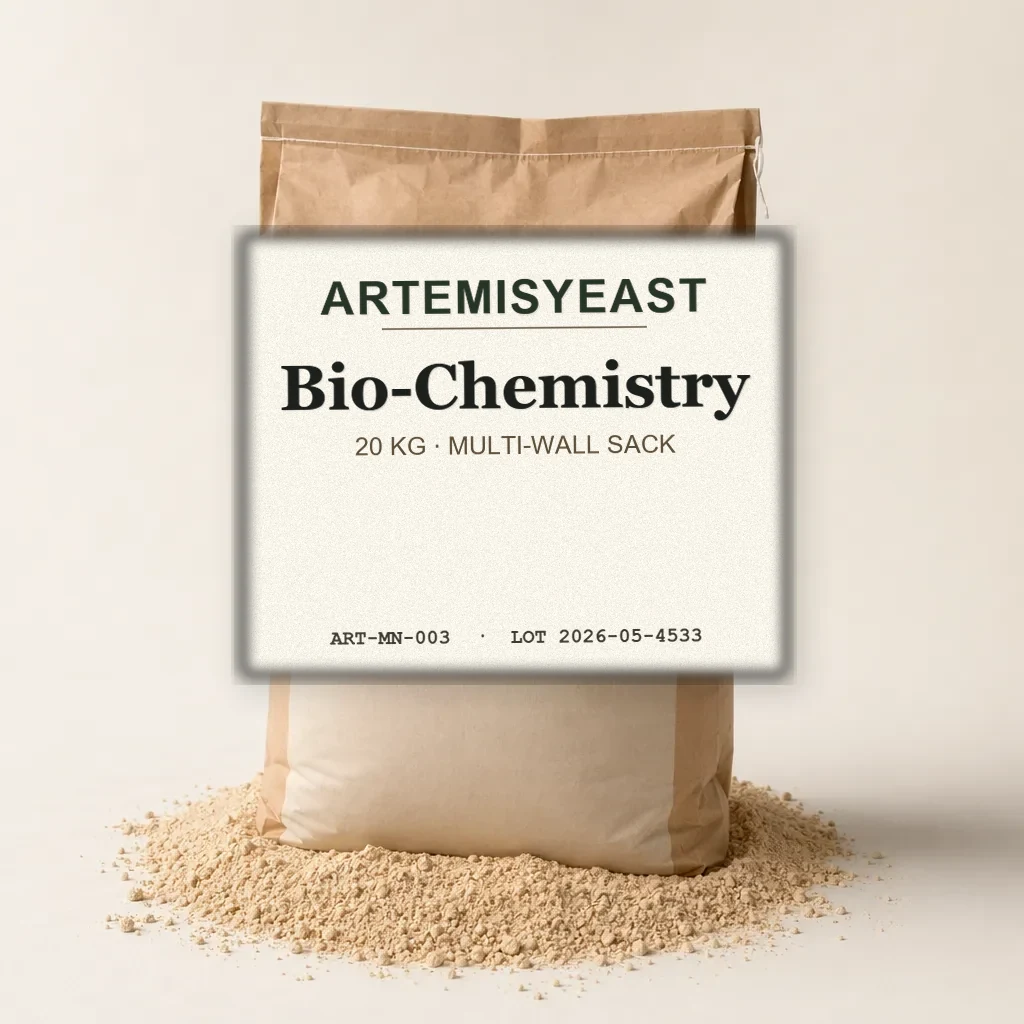
Bio-Chemistry Fermentation Nutrient Blend ART-MN-003
Microbial nutrition input — bio-chemistry for industrial fermentation, cell culture, and biopharma upstream.
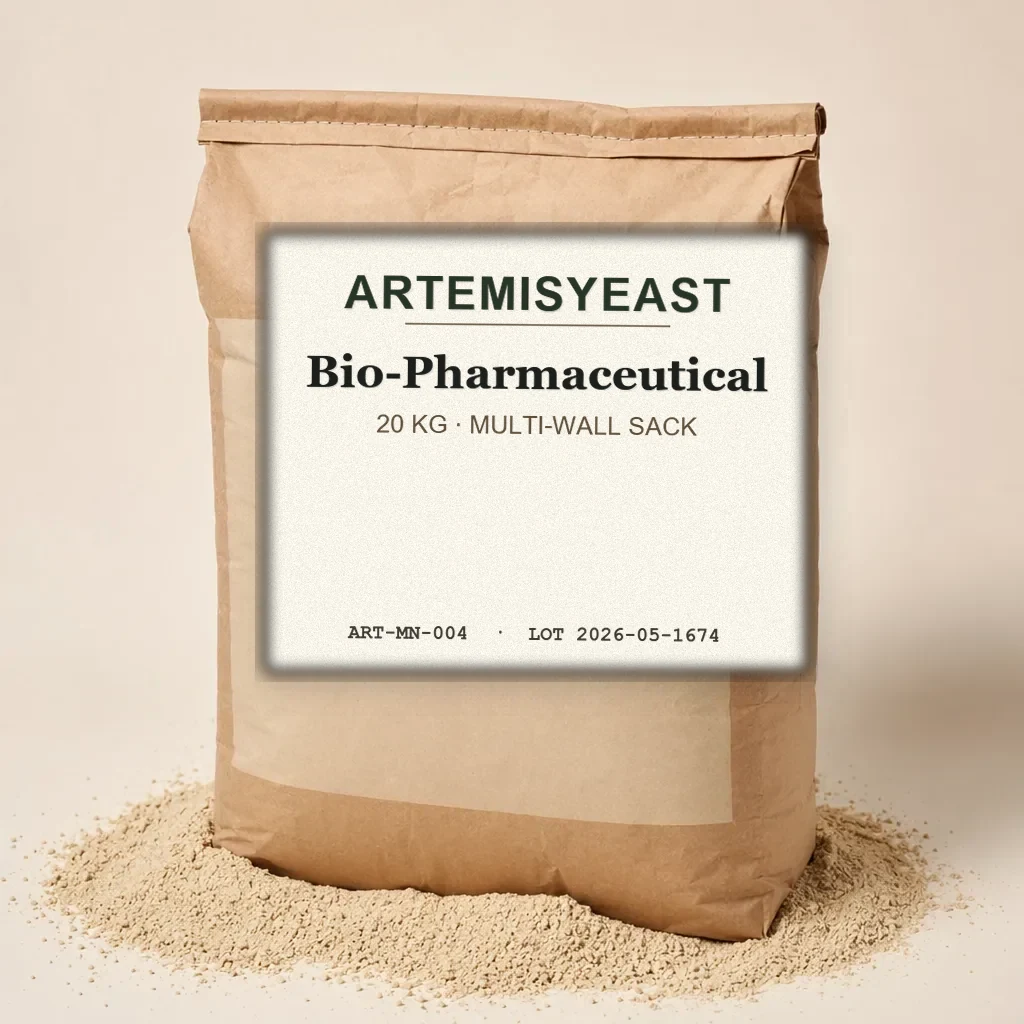
Bio-Pharmaceutical Microbial Nutrition Input, 20 kg
Microbial nutrition input — bio-pharmaceutical for industrial fermentation, cell culture, and biopharma upstream.
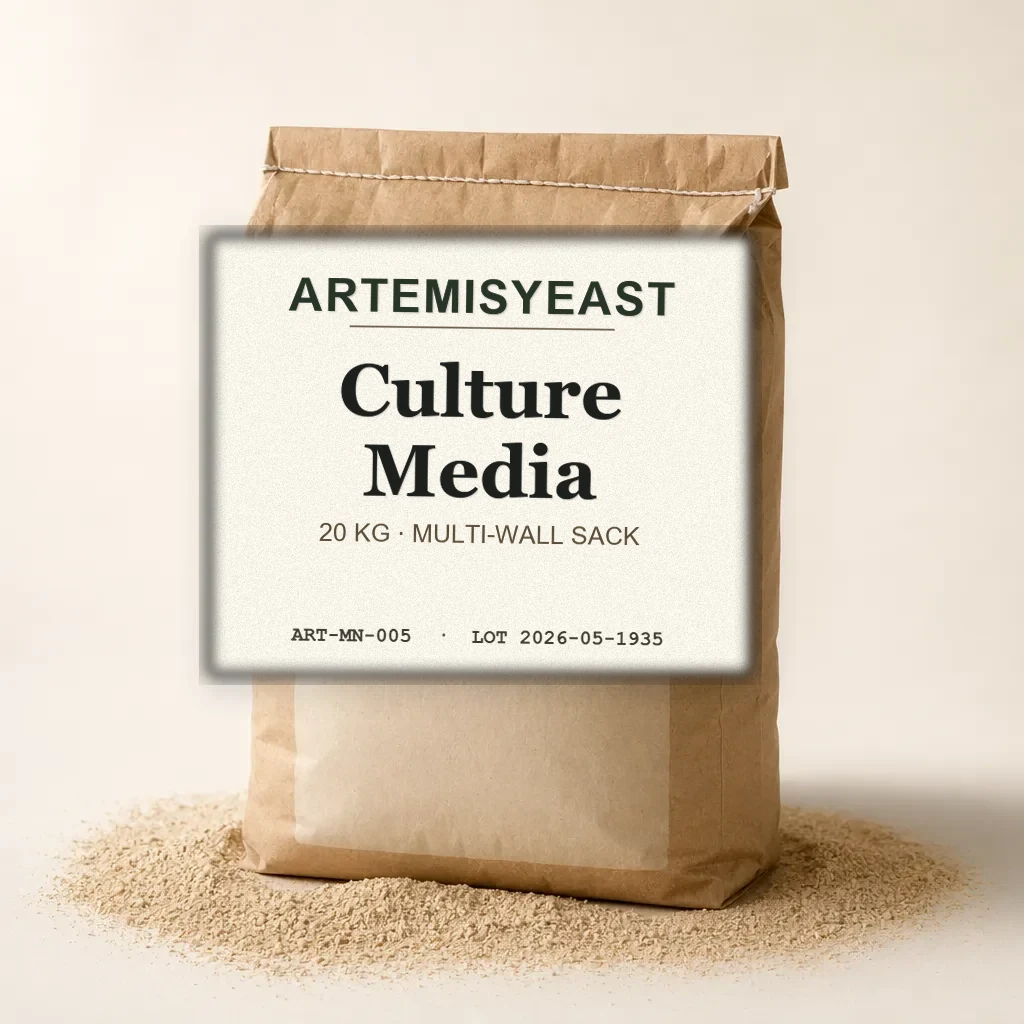
Dry Culture Media for Industrial Fermentation
Microbial nutrition input — culture media for industrial fermentation, cell culture, and biopharma upstream.