Bulk Yeast Extract Storage and Shelf Life Buyer Guide
Yeast extract shelf life is the expected period during which a yeast extract remains within agreed sensory, chemical, microbiological, and functional specifications when stored correctly. For procurement teams and plant operators, shelf life is not only a date on a label; it affects inventory turns, production continuity, flavor consistency, and quality-release workload. This guide explains how bulk yeast extract should be stored, what shelf-life ranges are typical by format, which quality checks matter before use, and how buyers can specify requirements when sourcing from ArtemisYeast. For product families and technical options, review our yeast extract category or request application-specific guidance.
Need a quote or specifications? Email [email protected] or use the quote form — our team replies within one business day with availability, documentation, and bulk pricing.
What this category/application covers
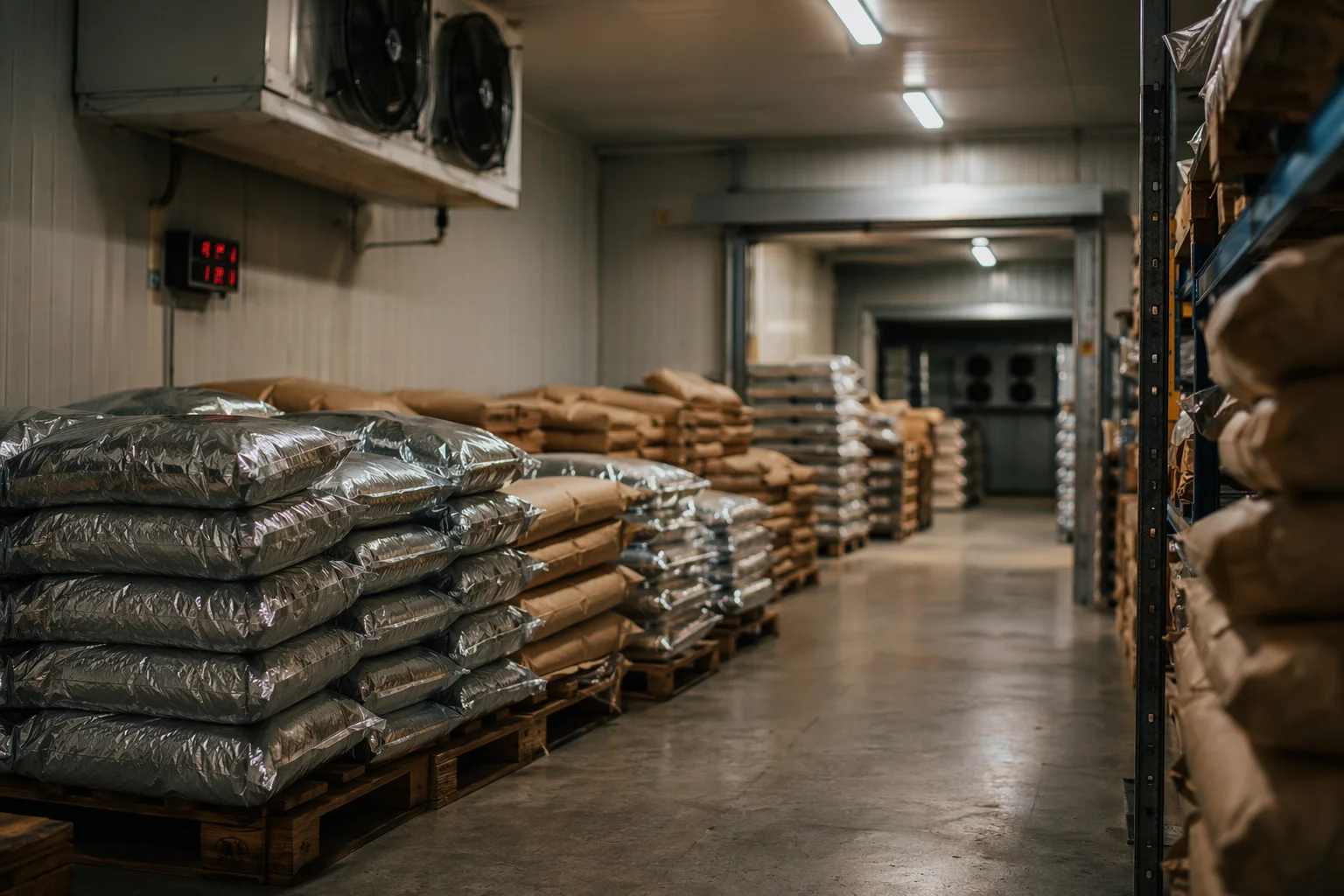
Yeast extract is a soluble, savory ingredient produced from yeast components and used in seasonings, soups, sauces, snacks, meat alternatives, bakery systems, fermentation nutrients, and other food or industrial applications. In storage planning, the main variables are format, water activity, packaging barrier, warehouse conditions, and how often containers are opened during production.
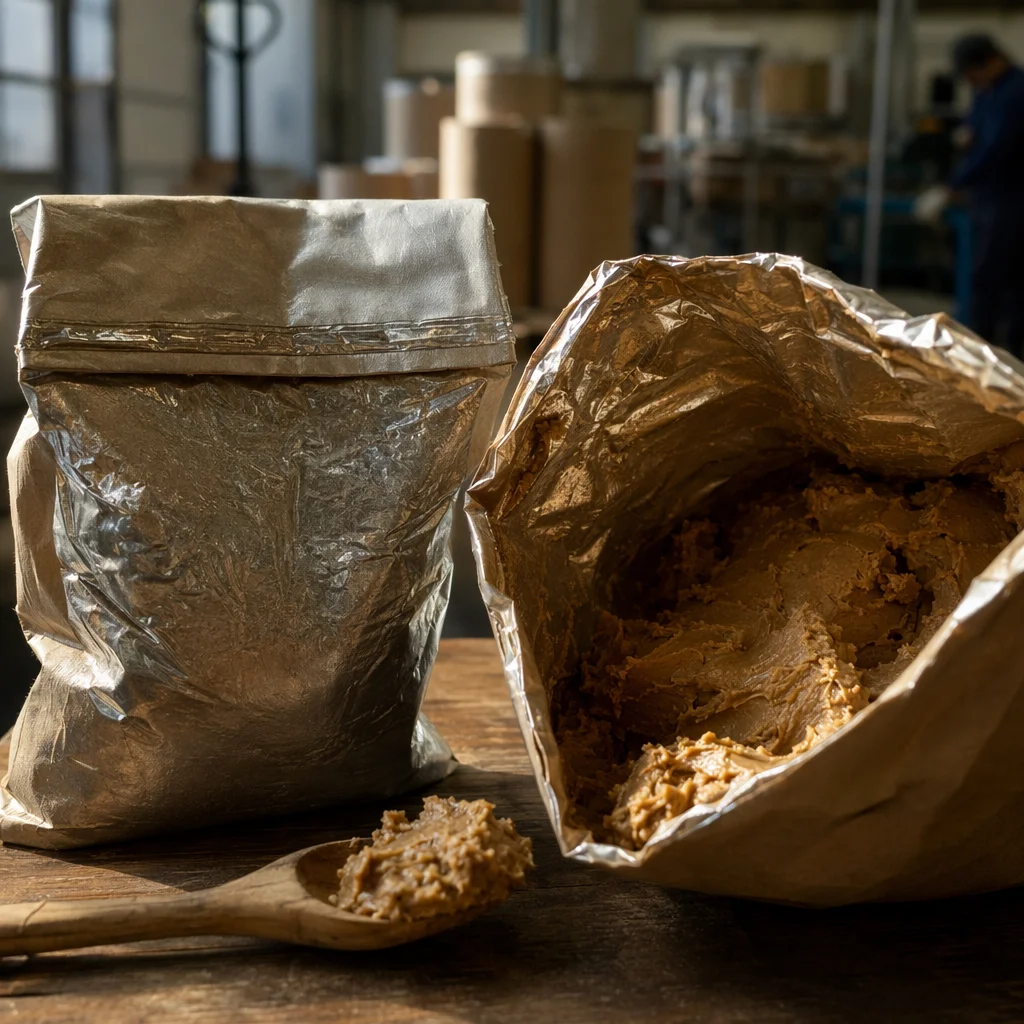
Most buyers manage yeast extract in powder, granule, paste, or liquid form. Dry formats are generally easier to store and distribute because lower moisture reduces caking risk and supports longer shelf-life expectations. Pastes and liquids can be convenient for automated dosing but usually require tighter temperature control and faster rotation after opening. For formulation context, see food manufacturing applications and match the format to your dosing equipment, sanitation plan, and batch schedule.
Common products and formulations
- Powder yeast extract: the most common bulk format for dry blending, seasoning bases, bakery premixes, and flexible inventory programs. Typical controls include moisture, appearance, aroma, total plate count, and solubility.
- Granulated yeast extract: selected when improved flow, lower dust, or controlled dispersion is needed. It is useful for high-speed filling lines and manual weighing stations.
- Paste yeast extract: chosen for concentrated savory impact and liquid processing systems. It needs stronger controls on temperature exposure, resealing, and use-after-opening time.
- Liquid yeast extract: suitable for pumping, automated metering, and continuous processing. Buyers should confirm solids content, viscosity range, packaging type, and microbial release criteria.
- Customized flavor or nutrition profiles: specifications may be adjusted for salt level, nitrogen, color, taste profile, or application performance. Explore broader options through bulk yeast products.
How to choose
Start with the process, not the catalogue name. A dry seasoning plant may value flowability and low caking more than pumpability, while a sauce facility may prioritize viscosity, rapid dispersion, and tank handling. Procurement should align shelf-life requirements with realistic consumption rates. A 24-month dry ingredient is useful only if the warehouse can keep it dry, closed, and away from heat. A liquid product may reduce weighing labor but can increase cold-chain, cleaning, or opened-container controls.
| Decision factor | Why it matters | Buyer action |
|---|---|---|
| Format | Drives shelf life, handling, dosing, and storage risk. | Choose powder or granule for longer ambient storage; choose paste or liquid for pumping and rapid dispersion. |
| Packaging | Barrier protection affects moisture pickup, oxidation, and contamination risk. | Specify bag, drum, liner, pallet, and reseal needs before ordering. |
| Warehouse conditions | Heat, humidity, sunlight, and odors can reduce sensory quality. | Set limits for temperature, relative humidity, and separation from strong-smelling materials. |
| Inventory rotation | Slow turns increase expiry pressure and quality-release work. | Use first-expired, first-out controls and align order size with forecast use. |
| Specification limits | Different applications need different color, taste, salt, and microbiology targets. | Confirm the specification sheet and acceptance tests before approval. |
For new projects, request a sample, run accelerated and real-time checks where appropriate, and document how the ingredient behaves in your process after opening. For non-standard pack sizes or forecast-based supply, use custom quote support to align product, packaging, and logistics.
Quality and documentation
A reliable yeast extract shelf-life program depends on documented release criteria and practical receiving checks. At minimum, buyers should request a specification sheet, certificate of analysis for each lot, allergen and ingredient statements as applicable, country-of-origin information, and recommended storage conditions. Depending on the end market, additional documents may include food safety system certificates, non-GMO status where relevant, and packaging declarations.
Receiving teams should inspect pallet condition, label accuracy, lot numbers, remaining shelf life, seal integrity, odor, visible moisture, and signs of damage. For dry products, watch for hard lumps, torn liners, or exposure to humid air. For paste and liquid products, verify container integrity, temperature history if controlled transport was agreed, and appearance before release. ArtemisYeast supports documentation review through our quality and compliance resources.
Why work with ArtemisYeast
- Bulk-focused sourcing: supply programs are built for manufacturers, bakeries, breweries, feed operators, and industrial users rather than retail pack sales.
- Specification-led matching: ArtemisYeast helps compare format, flavor profile, solubility, salt contribution, and shelf-life needs before commercial approval.
- Practical logistics planning: buyers can discuss pallet configuration, pack size, lead time, documentation, and lot rotation before committing to a purchase order.
- Inquiry-only commercial process: wholesale pricing on request keeps quotations aligned with volume, destination, documentation scope, and product specification.
For a firm sourcing recommendation, share your application, annual volume, target shelf life, packaging preference, and destination market through the request quote process.
Common questions
What is the typical shelf life of yeast extract powder?
How should bulk yeast extract be stored?
Does yeast extract need refrigeration?
What happens after a container is opened?
Which quality checks are most important before use?
Can expired yeast extract still be used in production?
How do I request shelf-life documentation and a bulk quote?
Questions about yeast extract shelf life?
Our team can recommend specific products and share documentation tailored to your application.