Private Label and OEM Yeast Products Buyer Guide
Private label yeast is bulk yeast supplied, blended, packed, and documented for sale under your own brand or food-service program. For retail brands, bakery distributors, food manufacturers, and national accounts, the right OEM partner must combine dependable fermentation performance with packaging control, traceable quality systems, and practical export support. This guide explains how to compare private-label, custom-blend, and contract-pack options for instant dry yeast, active dry yeast, nutritional yeast, brewer’s yeast, and specialty yeast ingredients. ArtemisYeast supports inquiry-based sourcing for brands that need consistent specification alignment, flexible packaging formats, and wholesale pricing on request.
Need a quote or specifications? Email [email protected] or use the quote form — our team replies within one business day with availability, documentation, and bulk pricing.
What this category/application covers
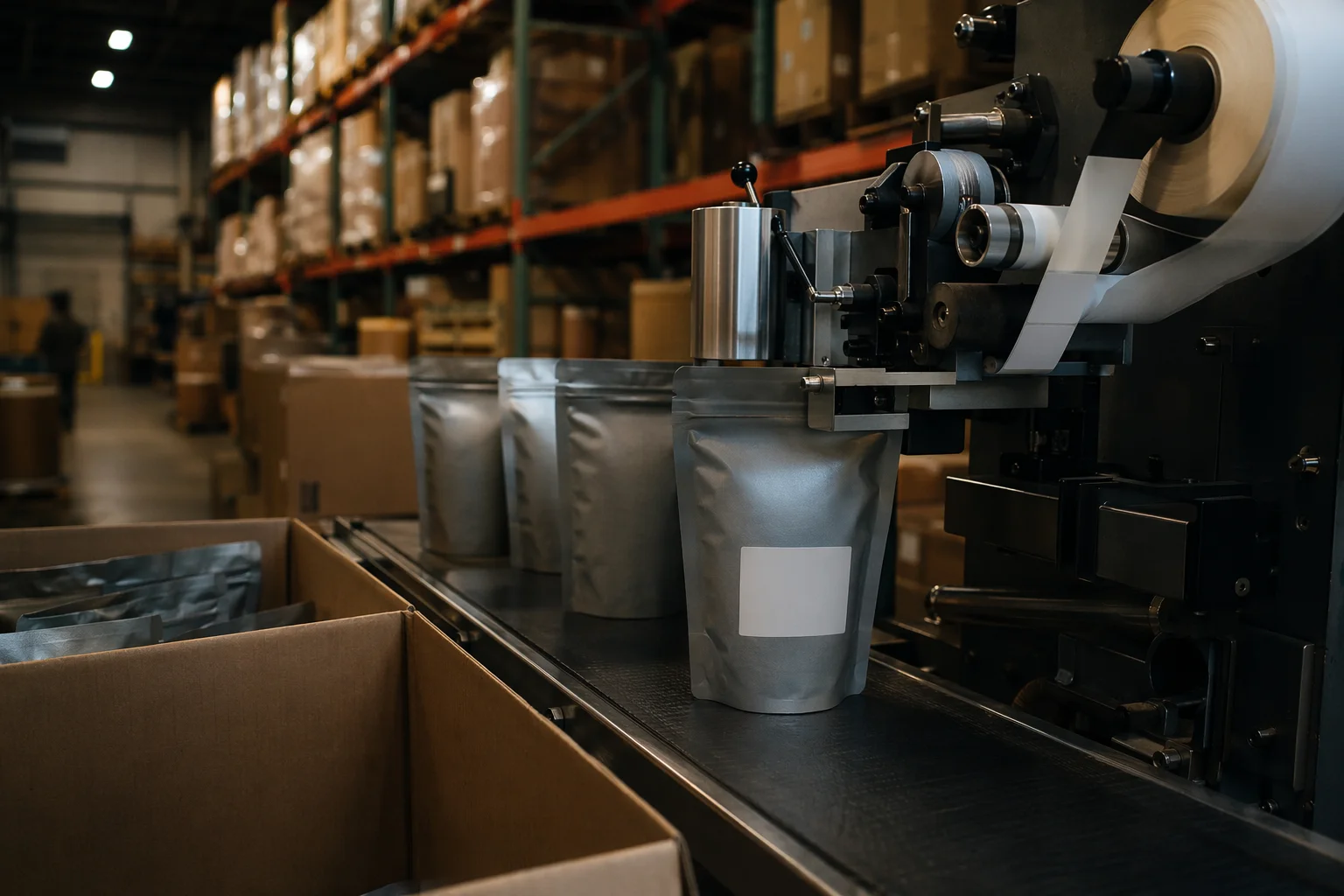
Private-label and OEM yeast programs cover the gap between commodity bulk supply and finished branded products. Instead of buying only a standard carton or sack, buyers can request agreed product specifications, pack sizes, artwork placement, carton markings, pallet configuration, and supporting documentation for their sales channel. Typical programs include retail sachets and pouches, food-service vacuum packs, distributor cartons, industrial bags, and custom cases for regional bakery or brewing networks.
The category is relevant for brand owners launching a baking aisle product, distributors adding a controlled-label yeast line, bakery chains standardizing back-of-house inputs, and food manufacturers that need ingredient continuity without building in-house packaging capacity. Product selection can start from available bulk yeast products or from a defined performance target such as dough rise time, gas production curve, dispersibility, flavor contribution, or label positioning.
A sound private label yeast project should define the product first, then the packaging. Procurement teams often begin with carton graphics, but R&D and plant teams need to confirm yeast type, moisture range, viable cell expectations where applicable, storage profile, allergen position, and intended use conditions. For bakery-focused programs, see bakery yeast categories; for larger kitchen and distributor formats, review food-service yeast applications.
Common products and formulations
- Instant dry yeast: the most common private-label baking format, valued for direct mixing, compact logistics, and long shelf life when packed correctly.
- Active dry yeast: suitable for brands serving traditional baking users who expect rehydration before mixing and a familiar granular appearance.
- Fresh yeast alternatives: dry formats can be positioned for buyers seeking easier storage and distribution than refrigerated compressed yeast.
- Nutritional yeast flakes or powder: used in retail, seasoning, snack, and plant-forward food programs where flavor, color, particle size, and fortification status must be specified clearly.
- Brewer’s yeast products: supplied for brewing, food ingredient, and feed-related applications depending on specification, processing status, and documentation.
- Custom blends: yeast may be combined with approved carriers or complementary dry ingredients when the formulation, regulatory route, and labeling responsibilities are agreed in advance.
| OEM route | Best fit | Key decisions | Procurement notes |
|---|---|---|---|
| Standard private label | Fast brand launch using an established yeast specification | Pack size, artwork, carton, language, shelf-life statement | Usually the simplest route for distributors and retail brands |
| Custom pack only | Buyers with an approved product but different packaging needs | Film structure, pouch weight, case count, pallet pattern | Useful when channel requirements differ by market |
| Custom blend | Food manufacturers or brands needing differentiated performance | Formula, mixing tolerance, ingredient declaration, validation trial | Requires more technical review and sample approval |
| Industrial OEM supply | Bakery chains, co-packers, and food plants | Bag size, lot size, COA format, delivery schedule | Focus is consistency, traceability, and production continuity |
How to choose
Start with the application and user behavior. A retail home-baking yeast should be easy to dose, clear in instructions, and stable through distribution. A food-service yeast should balance cost-in-use, speed, and packaging durability. An industrial yeast program should prioritize line performance, batch consistency, and documentation. Buyers should ask whether the yeast will be used in lean dough, sweet dough, frozen dough, pizza operations, brewing support, seasoning blends, or ingredient manufacturing.
Next, define measurable acceptance criteria. Useful criteria include target pack weight, oxygen and moisture barrier requirements, granule or flake size, color, odor, dispersibility, dough rise performance, recommended storage, declared shelf life, country or region labeling requirements, barcode needs, and carton strength. For custom projects, agree how samples will be evaluated: bench trial, pilot plant run, sensory review, packaging drop test, or transport simulation.
Commercial terms should also be reviewed early. Minimum order quantity, artwork lead time, production slot timing, destination port, carton language versions, and replenishment cadence can affect total landed cost more than unit price alone. ArtemisYeast operates on an inquiry basis, with bulk quote on request rather than public price lists, so procurement teams can compare like-for-like specifications and packaging scopes through custom quote review.
Finally, clarify ownership of the brand and compliance responsibilities. The buyer typically owns trademarks, label claims, market registrations, and consumer-facing instructions. The supplier should support ingredient data, specification sheets, batch traceability, and agreed test results. This separation keeps the project efficient and reduces revision cycles before production.
Quality and documentation
Quality expectations should be built into the purchase specification, not handled after packing. A typical private-label yeast file may include product specification, certificate of analysis, ingredient statement, allergen information, storage guidance, shelf-life basis, packaging specification, lot coding format, and export documents where required. For food manufacturers, additional documents may be needed for vendor approval, incoming inspection, and annual supplier review.
Packaging quality is as important as product quality. Dry yeast is sensitive to oxygen, moisture, heat, and rough handling, so film selection, seal integrity, headspace management, carton construction, and pallet wrapping all influence shelf stability. For small sachets or pouches, buyers should approve artwork dimensions, print colors, seal zones, date code placement, and case markings before production. For industrial bags, buyers should confirm inner liner requirements, closure style, and warehouse handling conditions.
ArtemisYeast can align documentation packages with the selected product and market route through its quality and documentation process. Procurement teams should request sample COA formats and packaging mockups early, especially when multiple SKUs, languages, or regional distributors are involved. A controlled approval process reduces relabeling risk and helps receiving teams match each lot to the correct purchase order and specification.
Why work with ArtemisYeast
- Independent B2B supply focus: ArtemisYeast supports procurement teams, distributors, manufacturers, and brand owners without forcing a consumer retail model.
- Multiple yeast categories: programs can cover baking, brewing, food ingredient, and feed-related yeast requirements from one sourcing conversation.
- OEM packaging coordination: pack weight, case count, carton markings, artwork workflow, and pallet details can be reviewed before commitment.
- Technical specification alignment: teams can discuss performance targets, product format, documentation needs, and trial samples before scaling.
- Inquiry-based wholesale supply: wholesale pricing on request allows quotes to reflect product type, packaging complexity, volume, shipping route, and documentation scope.
To move from concept to supply plan, send your target product, annual volume estimate, pack format, destination market, and documentation requirements through the request quote process. ArtemisYeast will review the private label yeast or OEM packaging brief and respond with the most practical next steps for samples, specifications, and a bulk quotation.
Common questions
What information is needed to quote a private label yeast project?
Can ArtemisYeast supply both retail packs and food-service packs?
Is custom blending available for OEM yeast products?
How should buyers compare private label yeast suppliers?
Can we use our own artwork and brand name?
Are samples available before placing an OEM order?
How is pricing handled for private label yeast?
What are the typical lead-time drivers?
Questions about private label yeast?
Our team can recommend specific products and share documentation tailored to your application.