HACCP and Bulk Yeast Food Safety Buyer Guide
Bulk yeast food safety is the HACCP-aligned control of sourcing, production, packaging, storage, and transport for yeast supplied in industrial volumes. For procurement teams, the goal is not only to buy yeast that performs, but to select a supplier that can support traceability, specifications, audit expectations, and consistent lot documentation. ArtemisYeast supplies bulk yeast products for bakeries, breweries, food manufacturers, feed operations, and technical users, with documentation and wholesale pricing on request. This guide explains the decision criteria buyers should review before approving a yeast supplier.
Need a quote or specifications? Email [email protected] or use the quote form — our team replies within one business day with availability, documentation, and bulk pricing.
What this category/application covers
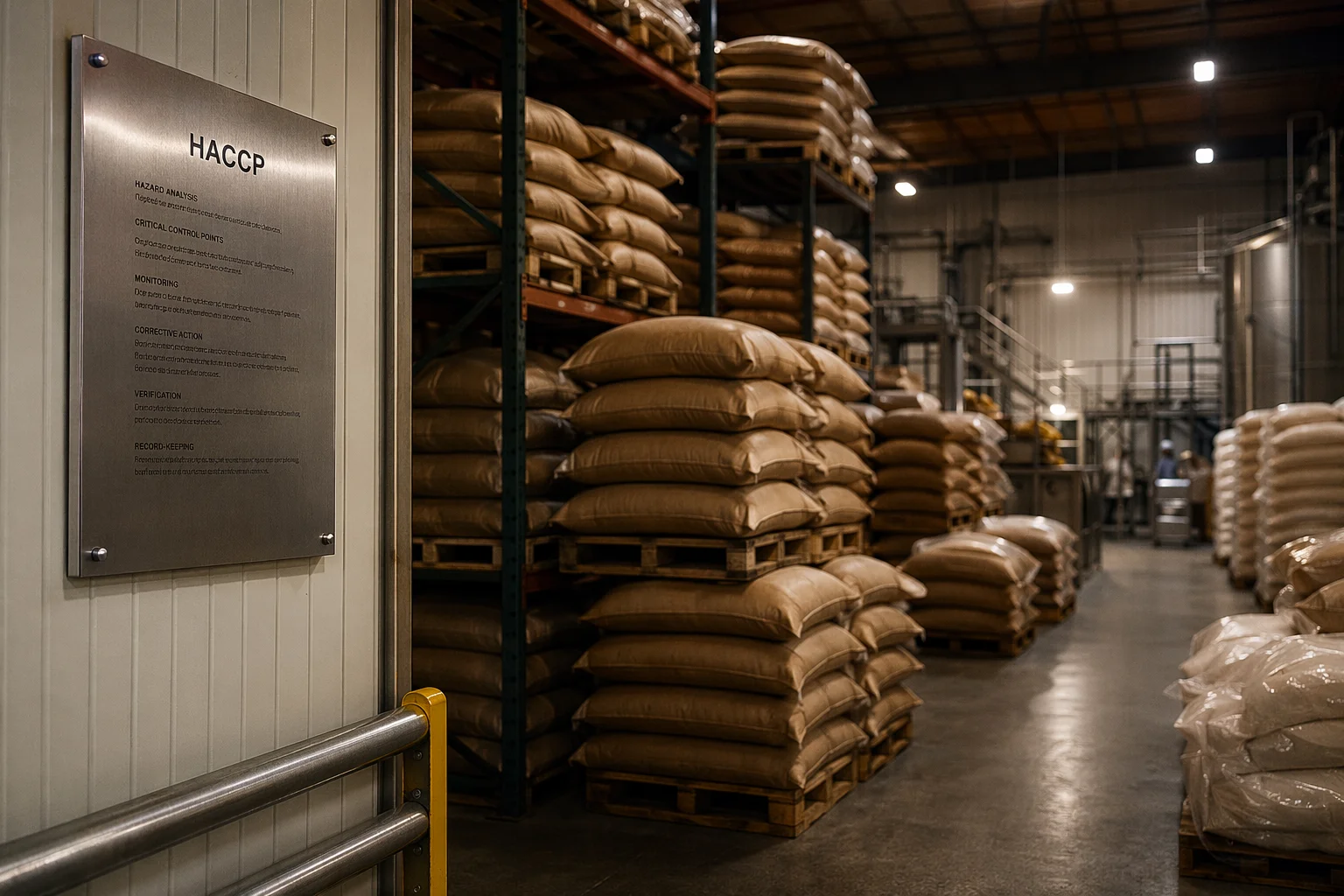
Bulk yeast procurement covers more than selecting active dry yeast, instant yeast, yeast extract, inactive yeast, or related fermentation ingredients. Food-safety evaluation should consider raw material controls, validated process steps, foreign material management, allergen statements, packaging integrity, warehouse conditions, and transport practices. A HACCP-aligned supplier identifies critical and operational control points, monitors them, keeps records, and provides corrective-action evidence when needed.
For buyers comparing industrial yeast sources, the most important question is whether the supplier can consistently match the product specification and the documentation package required by the receiving plant. Bakery, brewing, food ingredient, and feed applications may each require different particle size, moisture, viability, flavor profile, packaging format, or microbiological limits. ArtemisYeast organizes supply around application needs across bulk yeast products and category programs for industrial purchasing.
Common products and formulations
- Active dry yeast and instant dry yeast: commonly evaluated for gassing power, moisture, shelf life, granulation, rehydration behavior, and packaging seal integrity for bakery lines.
- Fresh and compressed yeast programs: considered where cold-chain discipline, fast turnover, and predictable proofing performance are operational priorities.
- Inactive yeast and nutritional yeast: reviewed for flavor, color, particle size, solubility, labeling requirements, and microbiological conformity.
- Yeast extract and autolyzed yeast: purchased for savory formulation, fermentation nutrient, or process flavor requirements, with attention to solids, salt level, clarity, and sensory consistency.
- Feed-grade yeast ingredients: assessed for specification fit, carrier compatibility, flowability, and documentation suitable for feed plant approval. Related options can be reviewed under bulk yeast categories and application-specific supply discussions.
How to choose
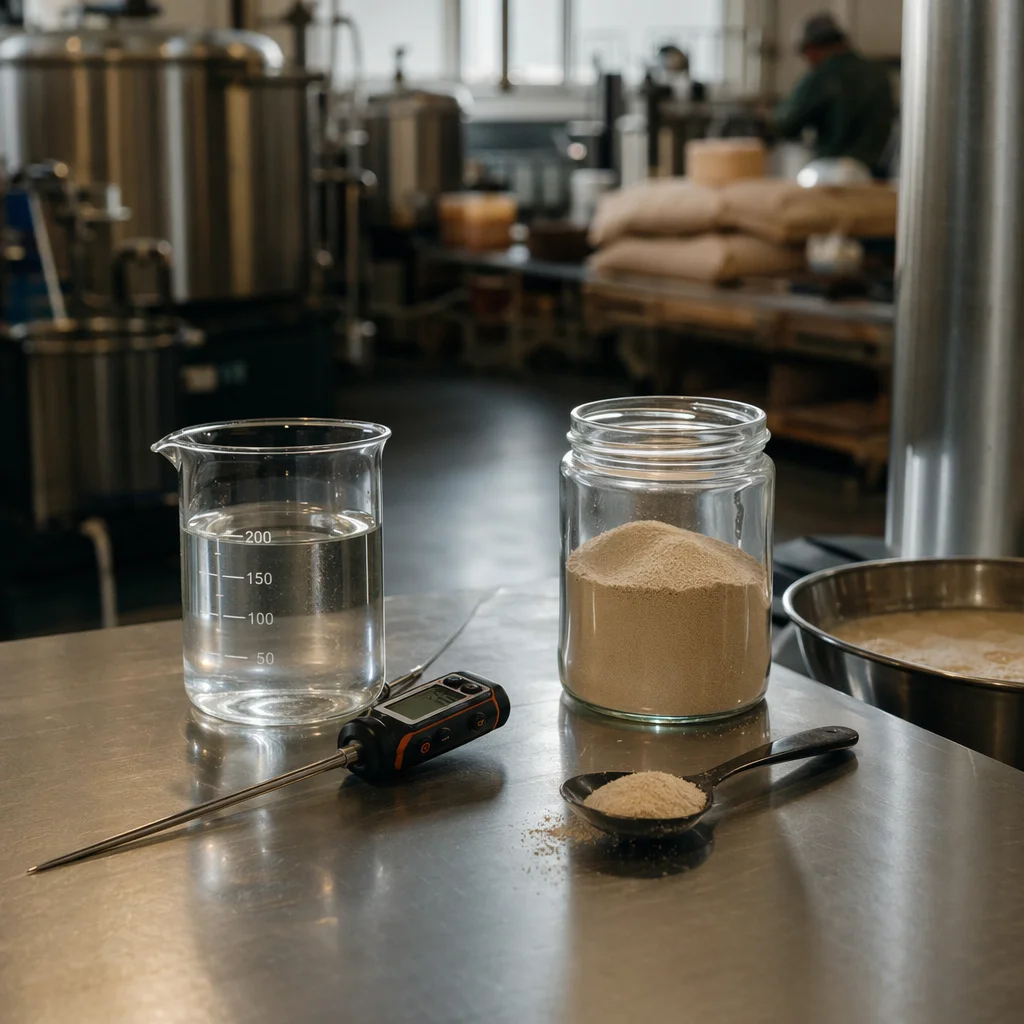
A practical supplier review starts with the finished product and works backward. Define the process in which the yeast will be used, the minimum performance limits, the receiving plant requirements, and the documentation needed for vendor approval. Then compare candidate suppliers against food-safety controls, responsiveness, lot consistency, and ability to support repeat orders.
| Decision area | What to verify | Why it matters |
|---|---|---|
| HACCP alignment | Hazard analysis, monitoring records, corrective-action process, and review frequency | Shows whether food-safety controls are systematic rather than informal |
| Specification control | Moisture, activity or viability, microbiological limits, particle size, sensory profile, and shelf life | Protects production performance and reduces receiving disputes |
| Traceability | Lot coding, batch records, raw material trace-back, and shipment trace-forward | Supports rapid investigation and controlled disposition of affected inventory |
| Packaging format | Bags, cartons, drums, liners, pallets, labeling, and seal strength | Impacts warehouse handling, contamination control, and line efficiency |
| Logistics conditions | Temperature guidance, moisture protection, container hygiene, and lead time | Maintains yeast function from dispatch to production use |
| Documentation | Specification sheet, COA, allergen statement, safety data where applicable, and certification copies when available | Speeds quality approval and supplier onboarding |
Buyers should also test samples in the actual process, not only in a bench comparison. A dough, wort, seasoning blend, premix, or feed formula can reveal performance differences that a certificate alone cannot show. For application support, review relevant use cases such as bakery yeast applications or request a tailored product match through custom quote support.
Quality and documentation
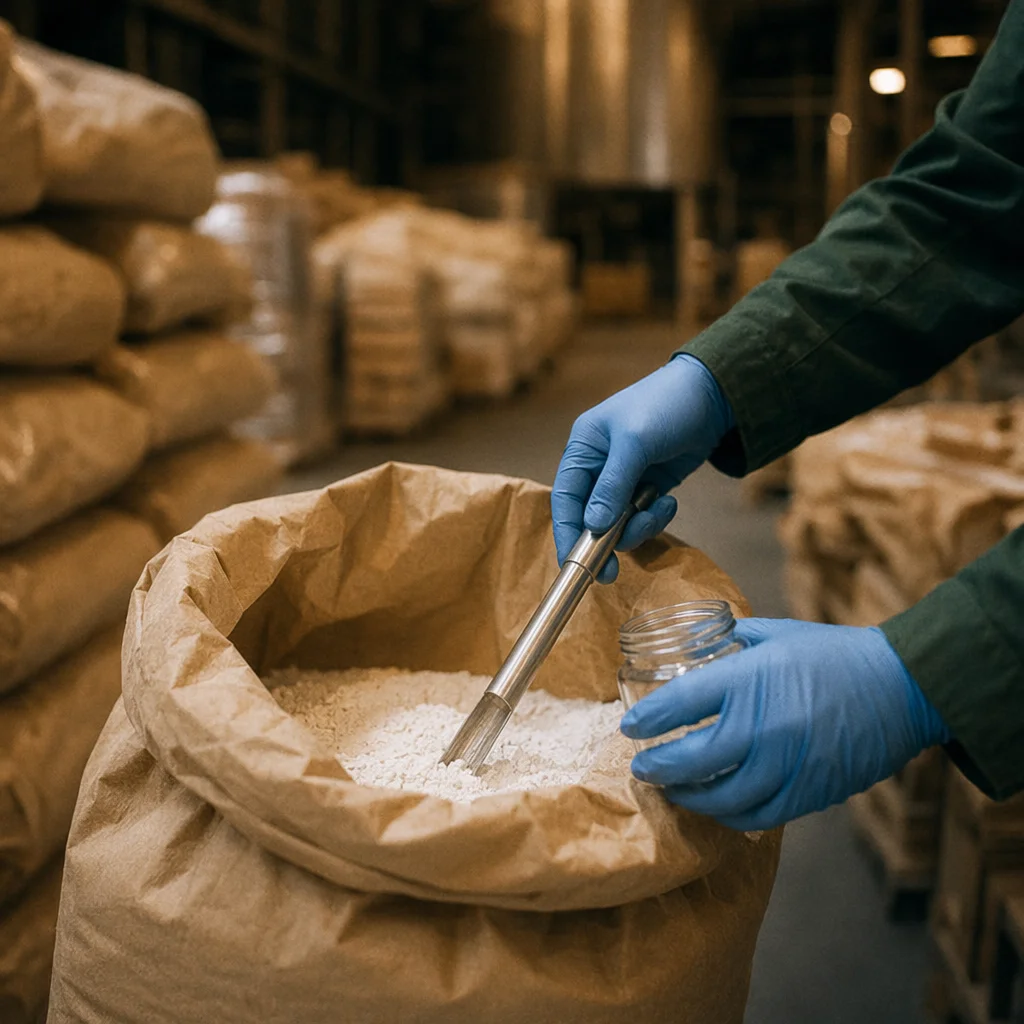
Food-safety documentation should be current, product-specific, and connected to the lot being shipped. Typical buyer requests include a product specification, certificate of analysis, allergen statement, ingredient declaration, country-of-origin information, shelf-life statement, packaging description, and applicable certification documents where available. Some products may also require microbiological data, heavy metal limits, non-GMO statements, or suitability declarations for a target market.
ArtemisYeast supports procurement and quality teams with documentation review before purchase orders are confirmed. The best practice is to define mandatory documents during the inquiry stage, especially when yeast will be used in regulated food manufacturing, private-label goods, export production, or approved-supplier programs. Buyers can review the documentation approach at quality and compliance and request lot-specific papers before shipment when required.
Why work with ArtemisYeast
- Independent sourcing focus: ArtemisYeast helps buyers compare technical fit, documentation needs, and commercial practicality without forcing a one-size product selection.
- B2B order orientation: supply discussions are structured around bulk quantities, repeat purchasing, forecast planning, and receiving plant requirements.
- Application-aware selection: bakery, brewing, food ingredient, feed, and technical customers can define the performance attributes that matter most in their process.
- Documentation-first procurement: specifications, COA expectations, and certification availability can be reviewed before order confirmation.
- Inquiry-only commercial process: wholesale pricing is provided on request, allowing volume, destination, packaging, and documentation scope to be evaluated together.
To start a supplier review, send ArtemisYeast your target product type, annual or shipment volume, destination, packaging preference, specification requirements, and documentation checklist. The team can respond with a bulk quote on request through request quote and coordinate supporting documents for quality approval.
Common questions
What does HACCP-aligned manufacturing mean for bulk yeast?
Which documents should I request before approving a yeast supplier?
Is a COA enough for bulk yeast food safety approval?
How should bakery buyers evaluate yeast safety and performance together?
Can certifications be provided with every yeast product?
What packaging factors affect food safety in bulk yeast?
How do I request wholesale pricing for HACCP-aligned bulk yeast?
Questions about bulk yeast food safety?
Our team can recommend specific products and share documentation tailored to your application.