Frozen Dough Yeast Selection Guide
Frozen dough yeast is yeast selected for reliable leavening after freezing, frozen storage, thawing, and final proofing. For industrial bakeries, the right choice depends on dough system, freezing method, storage time, sugar and fat level, packaging, and required proof tolerance. This buyer guide explains how procurement, R&D, and production teams can specify freeze-tolerant yeast for frozen dough, par-baked bread, laminated products, rolls, pizza bases, and sweet dough applications. ArtemisYeast supplies bulk yeast products for commercial bakery programs, with documentation, sample coordination, and wholesale pricing on request through bulk inquiry.
Need a quote or specifications? Email [email protected] or use the quote form — our team replies within one business day with availability, documentation, and bulk pricing.
What this category/application covers
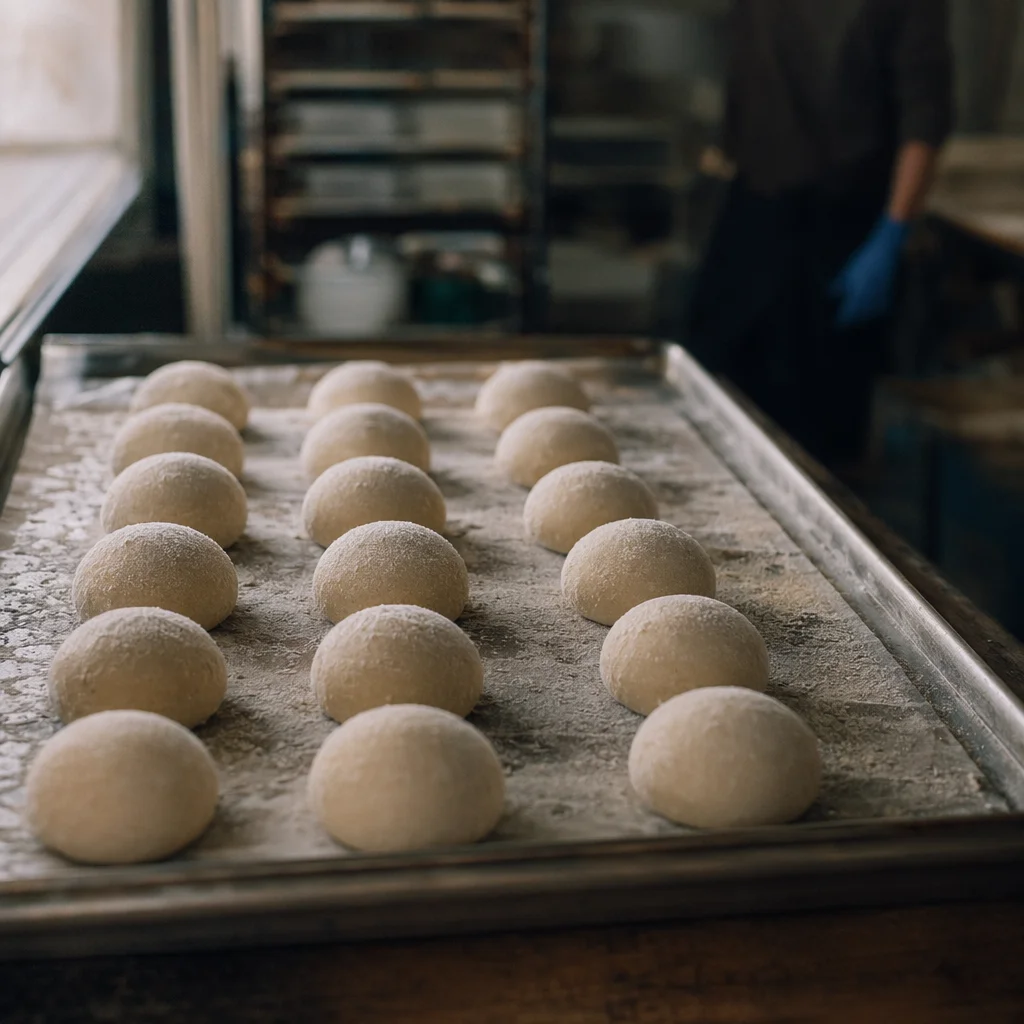
Frozen dough programs challenge yeast more than straight-dough bakery production. Ice crystal formation, osmotic pressure, low-temperature storage, thaw cycles, and delayed proofing can reduce fermentation strength. A suitable yeast must retain viability through freezing and then deliver predictable gas production when the dough returns to proofing temperature.
This guide covers yeast selection for industrial frozen dough and par-baked applications, including pan bread, sandwich rolls, buns, croissants, Danish-style dough, pizza dough balls, flatbreads, and foodservice bakery bases. It is most relevant where dough is mixed centrally, frozen, shipped, stored, and baked later in retail, foodservice, or industrial finishing locations.
For related bakery ingredients, buyers can review our bakery yeast category and the frozen dough application page. If your team is building a full specification pack, our product range can be matched to dough type, process conditions, and pack-size requirements.
Common products and formulations
- Instant dry yeast for frozen dough: A low-moisture format designed for convenient storage, dosing, and international shipment. It is often preferred where plants need stable inventory, accurate scaling, and reduced cold-chain dependency before dough mixing.
- Freeze-tolerant active dry yeast: Suitable for operations that already use hydration steps or prefer traditional dry yeast handling. It may be considered for dough systems that allow pre-dispersion and controlled water temperature.
- Compressed fresh yeast: A high-moisture format used by some large bakeries for fast dispersion and familiar dough performance. It requires refrigerated logistics and shorter inventory rotation, so procurement must review cold-chain reliability.
- High-sugar tolerant yeast: Used in sweet doughs, enriched rolls, brioche-style bases, and laminated products where sugar and fat reduce water availability and slow fermentation.
- Clean-label support formulations: Some projects require yeast performance to be balanced with dough conditioners, flour strength, salt level, hydration, and freezing protocol. ArtemisYeast can discuss suitable yeast options without forcing a one-size-fits-all formulation.
How to choose
Start with the finished product and process map, not the yeast format alone. A dough frozen as individual pieces behaves differently from a dough sheet, dough ball, or par-baked unit. Blast freezing typically protects structure better than slow freezing, while long frozen storage requires greater performance reserve. Procurement should align with R&D and plant operations before issuing a specification.
| Decision factor | What to check | Why it matters |
|---|---|---|
| Dough type | Lean, enriched, laminated, pizza, roll, or sweet dough | Different sugar, fat, and hydration levels change yeast stress and proof time. |
| Freezing method | Blast freezer, spiral freezer, plate freezer, or slower cold room freezing | Faster freezing generally reduces yeast damage and improves consistency. |
| Storage duration | Days, weeks, or several months at target temperature | Longer storage requires stronger freeze tolerance and tighter lot control. |
| Proofing model | Thaw-then-proof, retard-proof, or bake-from-partial-proof | The yeast must match the timing and temperature profile used on the line. |
| Format | Instant dry, active dry, or fresh compressed | Format affects storage, dosing accuracy, hydration, and logistics cost. |
| Plant handling | Manual addition, automated dosing, silo, bag, or carton handling | Operational fit can be as important as fermentation performance. |
| Documentation | Specification, COA, allergen statement, origin, and shelf-life data | Procurement needs traceability and audit-ready documents before approval. |
Run side-by-side trials using your standard flour, water temperature, mixing energy, scaling weight, freezing curve, and storage time. Measure dough volume, proof time, oven spring, crumb structure, crust color, flavor profile, and rejects after frozen storage. For high-volume programs, request samples and a custom quote based on annual volume, destination, pack size, and documentation needs.
Quality and documentation
Frozen dough yeast purchasing should be managed with clear technical documentation. Typical documents include product specification, certificate of analysis, batch or lot identification, shelf-life statement, storage guidance, allergen information, non-GMO or other status where applicable, and food safety system details. Buyers should also confirm moisture, viable cell count or activity indicators, packaging integrity, and recommended storage temperature.
Ask suppliers how they manage lot consistency, retained samples, export documents, and complaint handling. For frozen dough, even small performance drift can create proofing bottlenecks, under-volume products, or excessive line adjustments. ArtemisYeast supports procurement reviews through our quality and documentation process, helping teams compare yeast options using practical performance data rather than generic labels.
Why work with ArtemisYeast
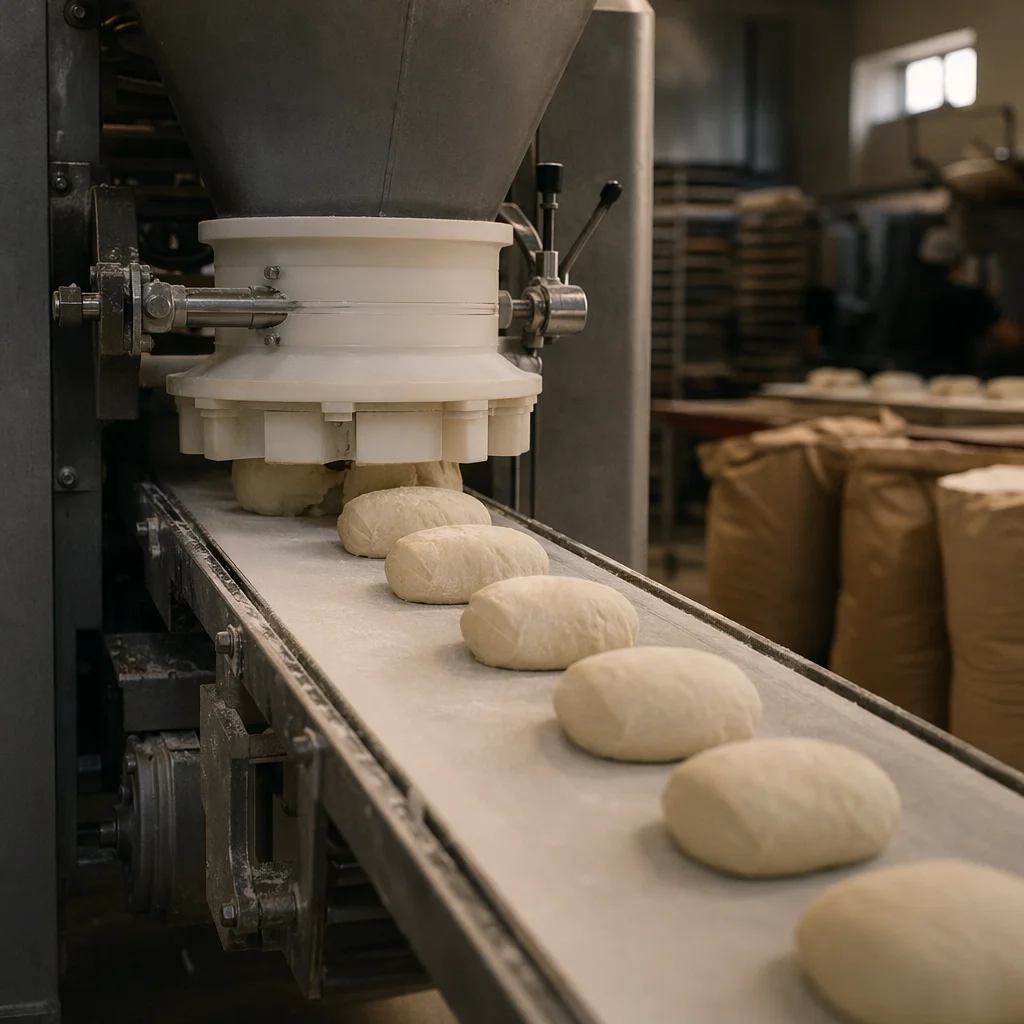
- Application-led sourcing: We discuss dough type, freezing process, proofing model, and distribution route before recommending a yeast format.
- Bulk supply focus: ArtemisYeast is built for B2B purchasing, including pallet, container, and recurring supply programs for bakery manufacturers and foodservice networks.
- Procurement clarity: We provide wholesale pricing on request, with quote details aligned to volume, packaging, delivery terms, and documentation requirements.
- Technical conversation: R&D and plant teams can review trial objectives, dosing ranges, storage conditions, and acceptance criteria before scale-up.
- International support: We work with buyers that need export-ready documentation, consistent communication, and practical lead-time planning.
For a frozen dough yeast recommendation, send your dough type, target storage life, freezing method, monthly volume, destination, and required documents. ArtemisYeast will respond with suitable options and a bulk quote on request.
Common questions
What makes frozen dough yeast different from standard bakery yeast?
Is instant dry yeast or fresh yeast better for frozen dough?
How should we test yeast for a frozen dough line?
Does sugar level affect yeast selection?
What storage temperature should be specified?
What documents should procurement request before approval?
Can ArtemisYeast provide samples and wholesale pricing?
Questions about frozen dough yeast?
Our team can recommend specific products and share documentation tailored to your application.