Brewing Yeast Strain Selection by Beer Style Guide
Brewing yeast strain selection is the process of matching yeast performance, flavor profile, and process fit to a target beer style. For breweries buying at production scale, the right strain affects fermentation speed, attenuation, ester balance, flocculation, filtration load, and batch-to-batch consistency. This guide helps head brewers, procurement managers, and R&D teams compare ale, lager, wheat, and specialty yeast options using practical decision criteria rather than brand preference alone. ArtemisYeast supports bulk yeast sourcing for commercial brewing programs, including product matching, documentation review, and wholesale pricing on request for qualified buyers.
Need a quote or specifications? Email [email protected] or use the quote form — our team replies within one business day with availability, documentation, and bulk pricing.
What this category/application covers
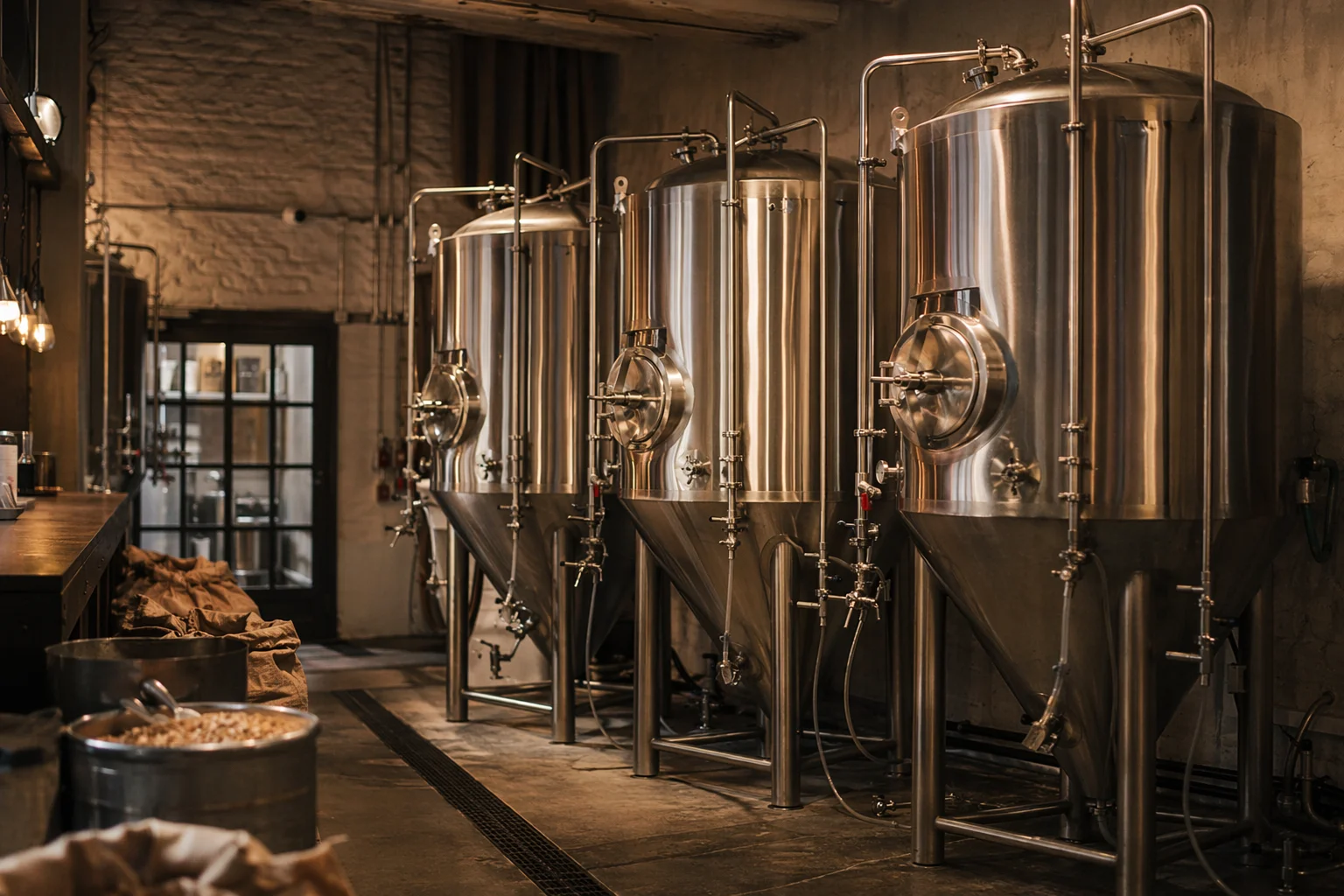
This buyer guide covers dry and bulk brewing yeast for commercial beer production, from house ale programs to lager, wheat, high-gravity, and specialty fermentations. It is designed for teams sourcing consistent yeast supply through brewing yeast categories and planning production through brewing applications.
In strain selection, the first question is not simply ale versus lager. Buyers should define original gravity range, target apparent attenuation, fermentation temperature, desired ester and phenol expression, flocculation behavior, alcohol tolerance, repitching plan, and downstream clarification method. A strain that performs well in a small trial may create operational issues if it requires longer conditioning, produces excess sulfur, settles too slowly, or attenuates beyond the intended balance.
Common products and formulations
- Clean ale strains: suited for pale ale, IPA, amber, stout, and porter where neutral-to-moderate ester expression and reliable attenuation are required.
- English-style ale strains: selected for fuller mouthfeel, moderate attenuation, and higher flocculation, often useful where fast tank turnover and clear beer are priorities.
- Lager strains: chosen for clean fermentation, lower ester production, and cool-temperature performance in pilsner, helles, bock, and international lager programs.
- Wheat beer strains: selected for controlled ester and phenolic expression, especially banana, clove, spice, or fruit-forward character depending on the style target.
- Specialty and high-gravity strains: used for strong ale, imperial stout, Belgian-style beer, barrel programs, and fermentations requiring higher alcohol tolerance.
- Custom sourcing: breweries may review available strain profiles through product listings and request a production-fit recommendation when exact specifications are needed.
How to choose
Start with the finished beer specification, then work backward to the fermentation plan. Procurement should ask technical teams for the required attenuation range, sensory target, temperature window, pitch format, pack size, lead time, and documentation needs before issuing a purchase inquiry.
| Beer style group | Typical yeast priority | Key buying checks |
|---|---|---|
| Pale ale and IPA | Clean to moderate ester profile, dependable attenuation | Hop interaction, fermentation temperature range, flocculation, consistency across lots |
| Porter and stout | Malt-supporting profile, moderate attenuation | Mouthfeel retention, alcohol tolerance, performance in higher-gravity wort |
| Lager and pilsner | Clean profile at cool fermentation temperatures | Temperature capability, sulfur management, conditioning time, viability specification |
| Wheat beer | Expressive ester or phenolic character | Flavor target, pitch rate sensitivity, haze expectations, repeatability |
| Belgian-style and specialty | Complex ester profile, high attenuation potential | Alcohol tolerance, fermentation control, final gravity target, sensory panel approval |
For new product development, request samples or small commercial trial quantities before committing to large annual volume. For established beers, prioritize lot consistency, availability, packaging durability, and predictable logistics. If your brewery needs a defined specification, submit requirements through custom quote support so the supply team can align strain, format, and order volume.
Quality and documentation
Brewing yeast procurement should include more than strain name and pack size. Ask for product specification, microbiological parameters, viable cell information where available, recommended storage, shelf-life guidance, allergen or ingredient declarations when applicable, and lot traceability. Commercial breweries should also confirm whether the yeast format fits their pitch rate calculator, hydration procedure, and cellar workflow.
ArtemisYeast supports documentation review through the quality information center. For plant managers and head brewers, this reduces onboarding friction by helping align supplier documentation with internal approval, receiving inspection, and brewing records. Storage temperature, unopened-pack handling, and first-in-first-out inventory control are especially important for maintaining consistent fermentation performance.
Why work with ArtemisYeast
- Application-led sourcing: recommendations are based on beer style, fermentation parameters, and production constraints, not generic catalog matching.
- Bulk procurement focus: support for breweries buying repeat volumes, planning seasonal releases, or consolidating yeast supply.
- Technical communication: documentation, specifications, and practical handling information can be reviewed before purchase approval.
- Flexible inquiry process: buyers can request equivalent performance targets, packaging preferences, and delivery requirements without public price lists.
For current availability, documentation, and wholesale pricing on request, send your target beer style, annual or batch volume, fermentation temperature, original gravity range, and preferred delivery schedule through the request quote form. ArtemisYeast will respond with a bulk quote on request and the technical information needed for supplier approval.
Common questions
What is the most important criterion in brewing yeast strain selection?
How should a brewery compare ale and lager yeast for procurement?
Can one house ale strain cover multiple beer styles?
When should a brewery choose a specialty yeast strain?
What documentation should procurement request before buying bulk brewing yeast?
Is dry brewing yeast suitable for commercial production?
How do we request a strain recommendation and bulk quote?
Questions about brewing yeast strain selection?
Our team can recommend specific products and share documentation tailored to your application.