Animal Feed Yeast Options: Live, Inactive, Cell Wall and MOS
Animal feed yeast comparison helps buyers match live yeast culture, inactive yeast, yeast cell wall, and MOS ingredients to species, ration goals, processing conditions, and label requirements. For procurement managers, nutritionists, and feed mill teams, the right choice depends on viability needs, nutrient contribution, functional fiber content, heat tolerance, inclusion rate, and documentation. ArtemisYeast supplies bulk yeast products for compound feed, premix, pet food, aquaculture, and specialty nutrition programs, with wholesale pricing on request. This guide explains how the main feed yeast options differ, when each format is typically selected, and what specifications to confirm before placing a bulk order.
Need a quote or specifications? Email [email protected] or use the quote form — our team replies within one business day with availability, documentation, and bulk pricing.
What this category/application covers
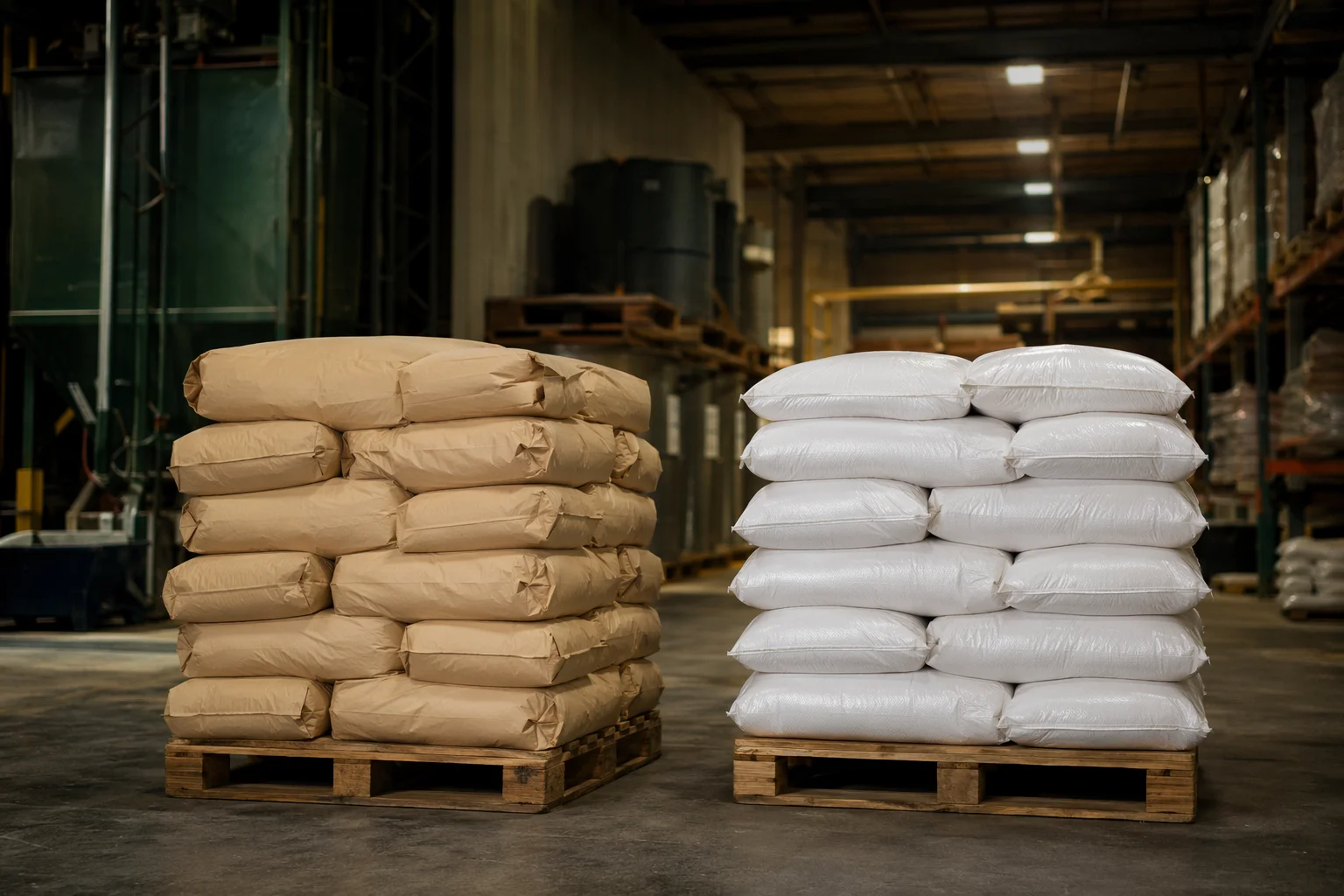
Feed yeast ingredients are used to bring fermentation-derived nutrients, functional cell wall fractions, palatability support, or live microbial activity into animal nutrition formulas. The category includes viable live yeast culture, non-viable inactive yeast, purified or enriched yeast cell wall, and MOS-rich ingredients. Each option has a different technical role, so the best selection is not simply the highest inclusion rate or lowest unit cost.
Use live yeast culture when the formula requires viable yeast activity and the manufacturing route can protect viability. Use inactive yeast when the priority is a consistent source of yeast-derived protein, peptides, nucleotides, B-vitamins, and flavor contribution without viability requirements. Use yeast cell wall when the formula is built around beta-glucans, mannan fractions, and structural cell wall components. Use MOS when a more targeted mannan oligosaccharide specification is required for a premix, young-animal feed, or specialty diet.
For more product families, see feed yeast categories and species-focused use cases under animal nutrition applications.
| Option | Primary value | Key buying checks | Typical fit |
|---|---|---|---|
| Live yeast culture | Viable yeast activity and fermentation metabolites | CFU or viable count, strain identity, shelf life, heat exposure limits | Ruminant feed, specialty premixes, post-pellet liquid or dry addition |
| Inactive yeast | Nutritional yeast solids and palatability contribution | Protein, moisture, ash, particle size, odor, heavy metals, microbiology | Compound feed, pet food, aquaculture, young-animal nutrition |
| Yeast cell wall | Beta-glucan and mannan-rich structural fractions | Beta-glucan level, mannan level, purity, insoluble fiber, batch consistency | Premix, piglet feed, poultry feed, aquafeed, companion animal diets |
| MOS ingredient | Concentrated mannan oligosaccharide fraction | MOS specification, carrier, solubility, inclusion guidance, labeling name | Functional premix, starter feed, specialty feed additives |
Common products and formulations
- Live yeast culture: supplied as a dry culture, often with fermentation solids or carrier material. Buyers should confirm viable count at manufacture and end of shelf life, storage temperature, moisture target, and whether the product can tolerate pelleting or should be added after thermal processing.
- Inactive dry yeast: a versatile non-viable yeast powder or granule used for nutrient density, savory notes, and formula enrichment. It is generally more robust in feed processing than live culture, but still requires moisture control and clean handling.
- Autolyzed or hydrolyzed yeast: processed to improve availability of intracellular components. These formats are commonly chosen when formulators want soluble peptides, nucleotides, and flavor impact in pet food, aquafeed, or young-animal diets.
- Yeast cell wall: separated cell wall material with higher levels of beta-glucans and mannans than whole yeast. It is selected when the formula is designed around functional fiber fractions rather than total yeast nutrition.
- MOS-rich feed ingredient: a more targeted mannan oligosaccharide material, sometimes blended with carriers for dosing accuracy in premixes. Confirm the analytical method used for the MOS value, because specifications can vary between suppliers.
ArtemisYeast can support bulk sourcing across these formats through the product range, including standard specifications and custom sourcing discussions for feed manufacturers.
How to choose
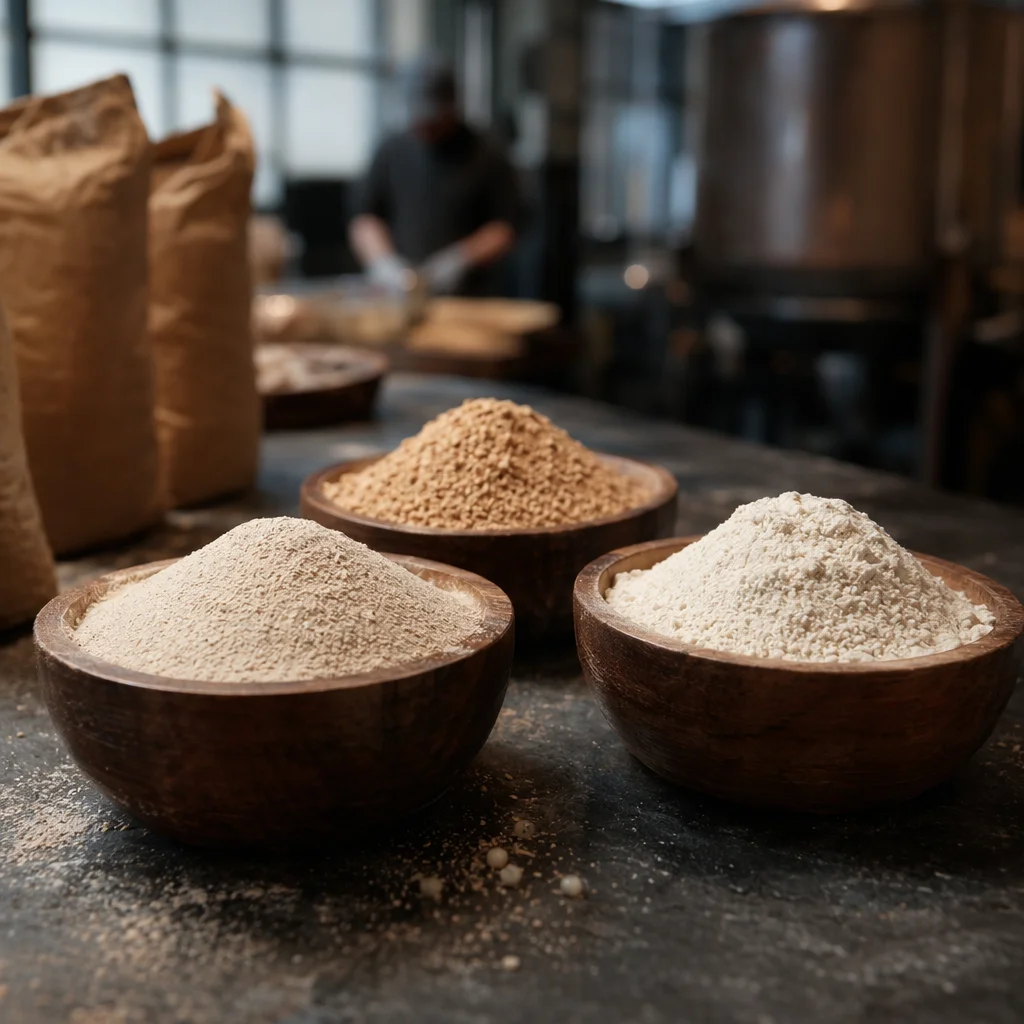
Start with the nutrition objective. If the ration requires a viable organism, live yeast culture is the only logical route, and procurement must protect viability from purchase through feeding. If the target is nutrient contribution, aroma, or protein enrichment, inactive yeast or autolyzed yeast may be a better cost-performance match. If the objective is concentrated cell wall fractions, compare yeast cell wall and MOS specifications rather than whole yeast protein.
Next, map the ingredient to the process. Pelleting, extrusion, drying, steam conditioning, and long storage can reduce live yeast viability. Non-viable yeast formats and cell wall products are generally more process-tolerant, although high moisture and poor storage can still affect flow, odor, and microbial quality. For plants running multiple species formulas, particle size, dusting, bulk density, and premix compatibility matter as much as the headline assay.
Then compare specifications on a delivered-performance basis. For live yeast, review viable count, strain declaration where applicable, shelf-life loss, packaging, and storage instructions. For inactive yeast, compare crude protein, amino acid profile if required, moisture, ash, heavy metals, and microbiological limits. For cell wall and MOS products, ask how beta-glucans, mannans, and MOS are measured, whether the product is standardized, and what batch-to-batch tolerance is offered.
Finally, assess commercial fit. Confirm minimum order quantity, lead time, pallet configuration, export documents, label name, and whether a trial lot can be aligned with the plant’s validation schedule. For new formulas or multi-site rollouts, a custom bulk quote can include target pack size, documentation requirements, and phased shipment planning.
Quality and documentation
Feed yeast purchasing should be driven by a full technical file, not only a sales specification. Request a current product specification, certificate of analysis, safety data sheet where applicable, allergen or sensitizer statement when relevant, country of origin, shelf life, storage conditions, and microbiological standards. For export or regulated feed channels, buyers may also need feed-grade declarations, non-GMO statements where required by the market, and traceability documentation.
Incoming quality teams should define acceptance criteria before first shipment. Typical checks include moisture, appearance, odor, particle size, bulk density, total plate count, yeast and mold, coliforms, Salmonella status, heavy metals, and assay values for functional fractions. For live culture, viable count testing method and timing are critical, because results can change with storage and transport conditions.
ArtemisYeast supports procurement and QA teams with batch documentation and practical specification review. Learn more about documentation expectations at quality and compliance, or request specific paperwork during the inquiry stage so the correct files are prepared before shipment planning.
Why work with ArtemisYeast
- Independent bulk sourcing: ArtemisYeast focuses on practical feed yeast supply for manufacturers, premix companies, integrators, and nutrition brands that need dependable commercial quantities.
- Technical comparison support: our team helps buyers compare live yeast culture, inactive yeast, yeast cell wall, and MOS by specification, process fit, and procurement risk rather than by product name alone.
- Documentation-first workflow: we align quotations with required specifications, COA expectations, packaging format, shelf life, and logistics documents.
- Flexible commercial handling: wholesale pricing is provided on request for qualified bulk inquiries, including recurring supply programs and project-based sourcing.
- Application awareness: we understand the different needs of ruminant, poultry, swine, aquaculture, pet food, and premix customers.
To compare options for your next feed formulation, send target species, desired yeast type, annual volume, destination, and documentation needs through request a quote. ArtemisYeast will respond with suitable bulk options, wholesale pricing on request, and the technical documents needed for internal review.
Common questions
What is the main difference between live yeast and inactive yeast for feed?
When should I choose yeast cell wall instead of whole inactive yeast?
Is MOS the same as yeast cell wall?
Can live yeast survive pelleting or extrusion?
Which feed yeast option is best for pet food or aquafeed?
What documents should a procurement team request before ordering?
How is wholesale pricing handled for bulk feed yeast?
Questions about animal feed yeast comparison?
Our team can recommend specific products and share documentation tailored to your application.